What are the physical symptoms of anxiety disorder?
Nov 17, 2025
Source: Cainiu Health

Dr. Zhang Baohua
Introduction
Physical symptoms of anxiety disorders generally include cardiovascular discomfort, respiratory abnormalities, gastrointestinal reactions, muscle tension and stiffness, and sleep-related disturbances. Patients often experience palpitations and rapid heartbeat, with a noticeably strong or irregular cardiac sensation. Some individuals may also have chest tightness or chest pain, which is typically non-localized, short in duration, and not associated with organic abnormalities upon medical examination.
Anxiety disorders can manifest with various physical symptoms, including cardiovascular discomfort, respiratory abnormalities, digestive system reactions, muscle tension and stiffness, and sleep-related disturbances. The details are as follows:
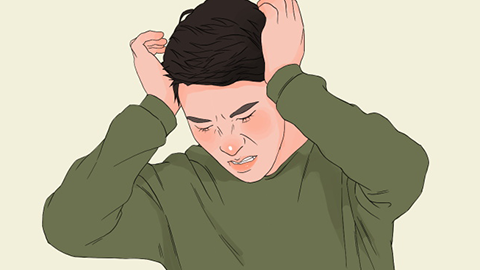
1. Cardiovascular discomfort: Patients often experience palpitations and rapid heartbeat, feeling their heartbeats unusually strong or irregular. Some may also have chest tightness or chest pain—typically non-localized and brief in duration. Medical examinations usually reveal no organic heart disease. These symptoms tend to occur or worsen during heightened anxiety and gradually subside when the person calms down.
2. Respiratory abnormalities: Patients may feel short of breath or have rapid breathing, as if there is insufficient air, often needing to take frequent deep breaths or breathe through the mouth. In severe cases, they might experience difficulty breathing or a sensation of suffocation. Symptoms are particularly noticeable in enclosed spaces or during emotional stress, disrupting normal breathing patterns.
3. Digestive system reactions: Common symptoms include nausea, vomiting, bloating, diarrhea, or constipation. Some patients report a burning sensation in the stomach or acid reflux, with symptoms worsening after meals. These gastrointestinal issues lack clear organic causes and are closely linked to fluctuations in anxiety levels; they typically improve as emotional state stabilizes.
4. Muscle tension and stiffness: Patients often experience persistent muscle tension throughout the body, especially in the neck, shoulders, and back, leading to soreness and stiffness. Some may also develop hand tremors or shaking, particularly noticeable when performing fine motor tasks. Massage or relaxation exercises can provide temporary relief from muscle tension.
5. Sleep-related disturbances: Many patients suffer from difficulty falling asleep, lying in bed with racing thoughts and an inability to relax. Others experience light sleep, frequent awakenings during the night, or early morning awakening with inability to fall back asleep. This leads to daytime fatigue, low energy, and general weakness.
If multiple such physical symptoms are observed in oneself or others, persisting despite the absence of identifiable medical conditions, it is important to pay attention to emotional well-being. Professional evaluation by a mental health specialist should be sought when necessary. Daily practices such as relaxation techniques and moderate physical activity can help relieve physical tension and reduce the impact of anxiety.