


What are the somatic symptoms of anxiety disorder?
Nov 17, 2025
Source: Cainiu Health

Dr. Zhang Baohua
Introduction
In general, the somatic symptoms of anxiety disorders can manifest in various ways, including abnormalities in the cardiovascular system, respiratory discomfort, neurological responses, gastrointestinal disturbances, and musculoskeletal tension. Cardiovascular abnormalities: commonly include increased heart rate and palpitations, with a sensation of intense or irregular heartbeat. Some individuals may also experience chest tightness or chest pain, typically described as brief stabbing or dull pain.
Anxiety disorders can typically manifest physical (somatic) symptoms involving abnormalities in the cardiovascular system, respiratory discomfort, neurological reactions, gastrointestinal disturbances, and musculoskeletal tension. A detailed analysis is as follows:
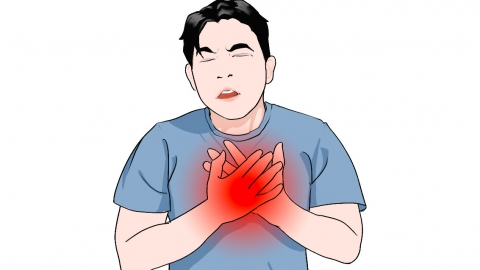
1. Cardiovascular abnormalities: Common symptoms include rapid heartbeat (palpitations), a sensation of intense or irregular heartbeats, and in some cases, chest tightness or chest pain. The pain is often brief, described as stabbing or dull, and varies in location. Medical examinations typically reveal no structural heart disease, and symptoms tend to worsen during episodes of anxiety.
2. Respiratory discomfort: Symptoms include shortness of breath, rapid breathing, and a feeling of insufficient air intake, often leading to frequent deep breaths or sighing. In severe cases, hyperventilation may occur, causing dizziness and numbness in the hands and feet. These symptoms fluctuate in parallel with anxiety levels and gradually subside as emotional state stabilizes.
3. Neurological reactions: Dizziness and headaches are common. Headaches are typically described as a bilateral throbbing or tight, band-like pressure around the temples. Other symptoms may include scalp tingling, tinnitus, difficulty concentrating, and memory decline. Neurological exams usually show no significant abnormalities, and symptom severity correlates with the level of anxiety.
4. Gastrointestinal disturbances: Symptoms include nausea, vomiting, abdominal pain, bloating, alternating diarrhea and constipation, or sensations of burning or a lump in the stomach. Discomfort may worsen after eating. Gastrointestinal evaluations such as endoscopy generally reveal no organic pathology, and symptom onset is closely linked to emotional stress.
5. Musculoskeletal tension: Generalized muscle tightness is common, particularly stiffness and soreness in the neck, shoulders, lower back, and back muscles. Some individuals may experience hand tremors or shaking; in severe cases, muscle spasms may occur. Symptoms can be temporarily relieved through massage or relaxation exercises but tend to recur, persisting in line with the duration of anxiety.
If the above somatic symptoms are present and no clear medical cause is found upon examination, anxiety should be considered as a potential underlying factor. It is important to seek timely evaluation from a mental health professional to prevent excessive focus on physical symptoms from exacerbating anxiety. With appropriate professional intervention, these somatic manifestations can be effectively alleviated.


