


What is the difference between moderate depression and severe depression?
Nov 17, 2025
Source: Cainiu Health

Dr. Zhang Baohua
Introduction
The differences between moderate and severe depression include varying degrees of depressed mood, duration of symptoms, extent of impaired social functioning, presentation of physical symptoms, and levels of suicide risk. The severity of the two conditions differs significantly, necessitating accurate diagnosis and targeted intervention. If persistent low mood, loss of interest, or similar symptoms occur, prompt medical consultation is recommended.
The differences between moderate and severe depression include varying degrees of low mood, duration of symptoms, extent of social function impairment, physical symptom presentation, and levels of suicide risk. The severity difference between the two is significant, requiring accurate diagnosis and targeted intervention. If persistent low mood, loss of interest, or similar symptoms occur, prompt medical consultation is recommended.
1. Degree of low mood: Moderate depression is characterized by noticeable low mood and reduced interest in daily activities, yet individuals can still barely maintain basic emotional regulation. Severe depression involves extreme pessimism and despair, complete loss of interest, uncontrollable emotions, and may even present with stupor.
2. Duration of symptoms: Core symptoms of moderate depression last at least 2 weeks but no more than 6 months, with possible brief periods of relief. In contrast, symptoms of severe depression persist for over 6 months, with very short remission periods, often becoming chronic without a tendency toward spontaneous recovery.
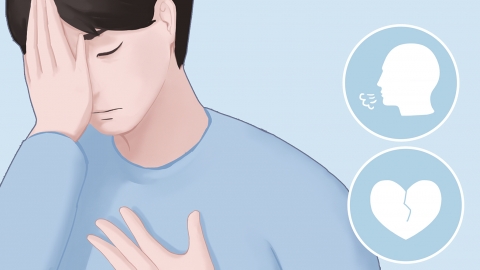
3. Degree of social functioning impairment: Patients with moderate depression experience reduced capacity in work, study, and interpersonal interactions but can still accomplish basic tasks. Those with severe depression are completely unable to engage in normal social, occupational, or daily activities, lose the ability to care for themselves, and require assistance from others.
4. Physical symptom presentation: Moderate depression may involve mild physical symptoms such as sleep disturbances and decreased appetite, with limited impact on bodily functions. Severe depression manifests with serious insomnia or hypersomnia, rapid weight gain or loss, complete exhaustion of energy, and may also include physical discomforts such as pain and palpitations.
5. Suicide risk level: Individuals with moderate depression may have negative thoughts, but actual suicidal plans or actions are less common. Those with severe depression often have intense suicidal ideation, frequently accompanied by clear suicide plans, resulting in significantly higher risks of suicide attempts or completion compared to moderate depression, necessitating close monitoring and prevention.
Maintain a quiet and comfortable environment, provide emotional support and companionship, encourage participation in gentle outdoor activities, ensure balanced nutrition in diet, and help establish regular daily routines to gradually alleviate emotional stress and physical discomfort.


