


Who is prone to developing claustrophobia?
Nov 17, 2025
Source: Cainiu Health

Dr. Zhang Baohua
Introduction
Individuals prone to claustrophobia typically include those who have experienced trauma in confined spaces, those with sensitive or anxious personalities, individuals with a history of anxiety-related disorders, those with a family history of similar conditions, and people who have long been under high-pressure environments. Experiencing entrapment, fright, or other distressing events in enclosed spaces such as elevators or small rooms may leave traumatic memories and psychological scars, making it easier to trigger fear when entering similar environments afterward.
Individuals who are prone to claustrophobia typically include those who have experienced trauma in confined spaces, those with sensitive and anxious personalities, individuals with a history of anxiety-related disorders, those with a family history of similar conditions, and people who have long been under high stress. A detailed analysis is as follows:
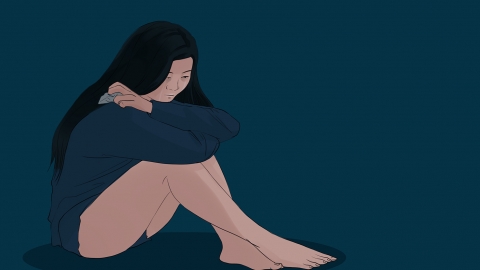
1. Those who have experienced trauma in confined spaces: Individuals who have previously been trapped or frightened in enclosed areas such as elevators or small rooms may retain traumatic memories that leave psychological scars. Subsequent exposure to similar environments can trigger fear responses, and prolonged accumulation of such experiences may lead to the development of claustrophobia.
2. Individuals with sensitive and anxious personalities: People with sensitive and perceptive dispositions are highly aware of environmental changes and more prone to anxiety. When facing confined spaces, they tend to excessively amplify feelings of unease, worrying about suffocation or being unable to escape. Compared to the general population, they are more likely to experience intense fear, increasing their risk of developing claustrophobia.
3. Those with a history of anxiety-related disorders: Individuals who have previously suffered from anxiety disorders, phobias, or frequent anxiety attacks often have fragile mental states and weaker abilities to regulate fear. Exposure to confined spaces may reactivate existing anxiety symptoms, making them more susceptible to developing claustrophobia.
4. Those with a family history of similar conditions: Claustrophobia has a genetic predisposition. If immediate family members or close relatives have been diagnosed with related disorders, the individual is more likely to carry susceptibility genes and thus be more vulnerable to developing symptoms when exposed to similar environmental triggers compared to those without such a family history.
5. Individuals长期 under high-pressure environments: People enduring prolonged work- or life-related stress often suffer from chronic mental tension and reduced psychological resilience. Their tolerance for negative emotions is lower, and when entering confined spaces, the combination of accumulated stress and environmental stimuli can easily trigger intense fear, increasing the likelihood of developing claustrophobia.
If you or someone around you shows significant fear of enclosed spaces that interferes with daily life, it is important to seek professional psychological help promptly. Gradual and progressive exposure to small or confined spaces in daily life can aid in adaptation, while excessive avoidance should be avoided to prevent symptom worsening.


