


What are the symptoms of anxiety and depression?
Nov 17, 2025
Source: Cainiu Health

Dr. Zhang Baohua
Introduction
Common symptoms of anxiety and depression include persistent low mood, unexplained tension and anxiety, abnormal sleep quality,明显 reduced energy, and impaired cognitive function. Patients often remain in a state of sadness and helplessness for extended periods, lose interest in activities they once enjoyed, have difficulty experiencing pleasure, and may even develop thoughts of hopelessness about life, with limited emotional fluctuations.
Anxiety and depression typically manifest as persistent low mood, unexplained tension and anxiety, abnormal sleep quality,明显 reduced energy, and impaired cognitive function. A detailed analysis is as follows:
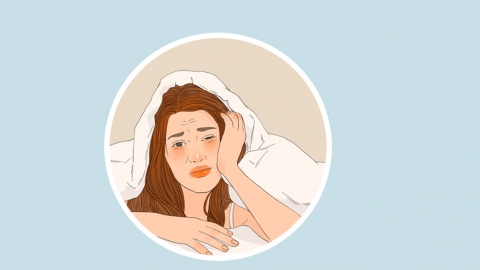
1. Persistent low mood: Patients remain in a state of sadness and helplessness for extended periods, losing interest in activities they once enjoyed and finding it difficult to experience joy. They may even develop feelings of hopelessness about life. Their emotional fluctuations are minimal, and this depressed state cannot be easily relieved through self-regulation.
2. Unexplained tension and anxiety: Patients frequently feel restless and overwhelmed by worry, yet are unable to pinpoint the specific cause. This may be accompanied by physical symptoms such as palpitations and chest tightness. They become easily irritated or angry over minor issues and find it difficult to concentrate on current tasks.
3. Abnormal sleep quality: Patients may have difficulty falling asleep, lying in bed for prolonged periods without success. Sleep may be light and easily disrupted, with frequent awakenings at night and difficulty returning to sleep. Some patients may wake up earlier than usual and be unable to fall back asleep, resulting in reduced total sleep duration and poor sleep quality.
4.明显 reduced energy: Patients feel extremely fatigued during daily activities. Even without significant physical or mental exertion, they experience weakness and lack of energy. Simple household chores or work tasks require much more effort, and some may become less active, spending increased time in bed.
5. Impaired cognitive function: Patients may suffer from memory decline, struggling to recall recent events. Mental processing slows down, making thinking and problem-solving more difficult. They may also experience difficulty concentrating, becoming easily distracted by external stimuli and unable to focus on completing tasks.
If multiple symptoms listed above appear in oneself or someone close and persist for more than two weeks, it is important to seek professional evaluation and support from a mental health specialist promptly, to prevent long-term impact on daily functioning. Maintaining regular sleep schedules and engaging in moderate physical activity can help regulate emotional well-being in daily life.



