


What is depression?
Nov 17, 2025
Source: Cainiu Health

Dr. Zhang Baohua
Introduction
Depression is a mental disorder characterized primarily by persistent low mood, affecting both psychological and physical health across emotional, cognitive, and bodily functions. In daily life, it's important to dispel the misconception that depression is merely being overly sensitive or dramatic, actively show concern for those around us who may be experiencing low mood, and cultivate a positive mindset by relieving stress through exercise, socializing, and other means to safeguard our own mental well-being.
Depression is a mental disorder characterized primarily by persistent low mood, affecting both psychological and physical health across emotional, cognitive, and bodily functions. A detailed analysis is as follows:
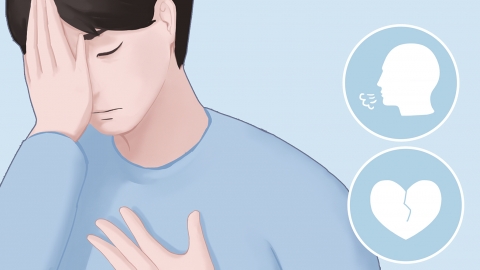
The core symptoms of depression include distinct and prolonged feelings of sadness, loss of interest or pleasure in previously enjoyed activities, accompanied by reduced energy, sleep disturbances, and abnormal appetite. Patients often experience slowed thinking, difficulty concentrating, and some develop negative thought patterns such as self-blame and low self-esteem. In severe cases, they may have suicidal thoughts. These symptoms are not signs of personal weakness, but rather are associated with multiple factors including neurotransmitter imbalances, genetic predisposition, and psychological stress.
Major life setbacks, prolonged accumulation of negative emotions, and personality traits such as sensitivity and introversion can all act as triggers for depression. Scientific intervention is essential—this may involve professional psychological counseling and, in some cases, medication.
In daily life, it's important to dispel the misconception that depression is merely being overly dramatic. We should actively care for those around us who appear emotionally down, cultivate a positive mindset, and manage stress through activities like exercise and social engagement to protect our mental well-being.


