


Is hand tremor in depression considered mild or severe?
Nov 17, 2025
Source: Cainiu Health

Dr. Zhang Baohua
Introduction
Tremors in depression cannot directly determine whether the condition is mild or severe, as tremors may occur in depression of varying severity levels and must be evaluated in conjunction with overall symptoms. The key criteria for assessing the severity of depression include the duration and impact of core symptoms such as low mood and loss of interest, as well as associated manifestations like sleep disturbances, appetite changes, and energy levels.
Hand tremors in depression cannot directly indicate whether the condition is mild or severe, as tremors may occur across different levels of depression severity. A comprehensive assessment based on overall symptoms is required. The detailed analysis is as follows:
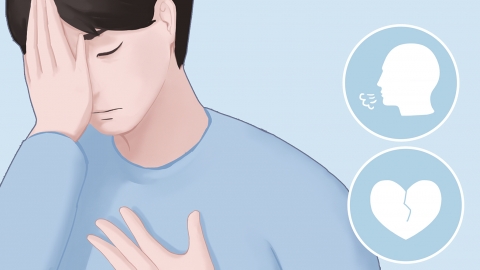
Hand tremors in depression are often related to emotional state. Anxiety and tension accompanying depressive episodes can stimulate the neuroendocrine system, leading to muscle tension and heightened nerve excitability, which in turn causes hand tremors. Patients with mild depression may experience occasional, slight tremors, noticeable only during emotional fluctuations due to concerns about their condition. In contrast, patients with severe depression who also suffer from intense anxiety or somatic symptoms may experience more frequent tremors, which could even interfere with daily activities such as holding objects or writing—although this is not an absolute correlation.
The key criteria for determining the severity of depression are the duration and impact of core symptoms such as depressed mood and loss of interest, along with associated manifestations including sleep disturbances, appetite changes, and energy levels. Tremors are merely an accompanying symptom in some patients and should not be used as a standalone criterion for assessing severity.


