


What are the somatic symptoms of anxiety disorder?
Nov 17, 2025
Source: Cainiu Health

Dr. Zhang Baohua
Introduction
Physical symptoms caused by anxiety disorders are concrete manifestations of emotional stress on the body, mainly including cardiovascular discomfort, respiratory abnormalities, gastrointestinal reactions, muscle tension and stiffness, and sensory disturbances. These physical symptoms can affect quality of life and should be promptly addressed through interventions such as relaxation training and psychological regulation.
Anxiety-induced somatic symptoms are physical manifestations of emotional stress, primarily involving discomfort in the cardiovascular system, respiratory abnormalities, digestive reactions, muscle tension and stiffness, and sensory dysfunction. The details are as follows:
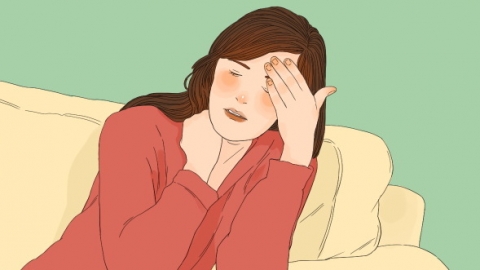
1. Cardiovascular discomfort: Patients often experience palpitations and rapid heartbeat, feeling as though their heart is pounding intensely. Some may also have chest tightness or chest pain, typically brief stabbing sensations or pressure-like feelings, which frequently occur during emotional stress and can be mistaken for heart disease.
2. Respiratory abnormalities: Symptoms include rapid breathing, chest tightness, shortness of breath, and even hyperventilation. Patients may feel a lack of air and find themselves taking frequent deep breaths or gasping. Some individuals may experience a tight throat or difficulty breathing when anxious, and severe cases might lead to dizziness, numbness, or tingling in the hands and feet.
3. Digestive reactions: Common symptoms include stomach discomfort, nausea, vomiting, bloating, diarrhea, or constipation. Anxiety can disrupt normal gastrointestinal function, causing disordered gut motility. Some patients may suffer from stomach cramps, acid reflux, or heartburn, with these symptoms becoming more pronounced during emotional fluctuations.
4. Muscle tension and stiffness: Muscles throughout the body—especially those in the neck, shoulders, back, and lower back—often become tense and stiff. Patients may feel physically "tight" and unable to relax, sometimes accompanied by soreness or rigidity. In severe cases, this can impair limb movement.
5. Sensory disturbances: Patients may experience various sensory abnormalities such as skin tingling, numbness, itching, or a crawling sensation on the skin. Some become overly sensitive to external stimuli like sound or light. Others may develop dizziness or headaches, with headache typically presenting as a bilateral tightening pain around the temples or at the back of the head.
These somatic symptoms can significantly affect quality of life. Timely intervention through relaxation training, psychological regulation, and appropriate professional support can effectively alleviate discomfort and restore balance between mind and body.


