


What does an anxiety attack look like?
Nov 17, 2025
Source: Cainiu Health

Dr. Zhang Baohua
Introduction
Symptoms of an anxiety attack typically manifest through intense physiological reactions, uncontrolled anxious emotions, confused and rapid thinking, abnormal behaviors, and heightened or unusual sensory perceptions. During an episode, individuals often experience significant physical discomfort, such as sudden rapid heartbeat, shortness of breath or even difficulty breathing, excessive sweating, cold or trembling hands and feet, and in some cases, dizziness, nausea, or chest tightness.
Anxiety attacks typically manifest through intense physiological reactions, uncontrolled anxiety and emotions, disorganized and rapid thinking, abnormal behaviors, and heightened sensory sensitivity. The details are as follows:
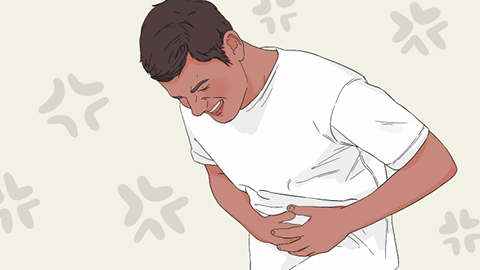
1. Intense physiological reactions: During an attack, obvious physical discomfort occurs, such as sudden rapid heartbeat, shortness of breath or even difficulty breathing, accompanied by excessive sweating, cold or trembling hands and feet. Some individuals may also experience dizziness, nausea, chest tightness, and in severe cases, a sense of impending doom, causing the body to instantly enter a state of high tension.
2. Uncontrolled emotional anxiety: Emotions suddenly become extremely anxious and fearful, making it difficult to calm down. Even without clear triggers, individuals may feel uneasy and worry about potential dangers or negative outcomes. Mood swings are intense, with increased irritability and anger, and negative emotions cannot be relieved through self-regulation.
3. Disorganized and rapid thinking: The mind is flooded with negative thoughts, becoming chaotic and accelerated—constantly wondering things like "What if something goes wrong?" or "I can't handle this." It becomes difficult to concentrate or rationally analyze problems, leading to a cycle of anxious thinking that intensifies tension the more one thinks.
4. Abnormal behaviors: Unconscious repetitive actions may occur, such as pacing back and forth, rubbing hands, or gripping objects tightly. Some may attempt to flee their current environment, such as abruptly leaving a room. Others may become physically stiff due to tension, unable to carry out normal daily activities, with behavior being dominated by emotional distress.
5. Heightened sensory sensitivity: Perception of the surrounding environment becomes abnormally acute—for example, ordinary sounds may seem grating, bright lights may cause discomfort, and individuals may become overly attentive to others' words and actions, easily interpreting neutral behaviors as threatening signals, thereby worsening feelings of anxiety.
If these symptoms occur frequently or significantly impair daily functioning during episodes, prompt medical evaluation and treatment adjustment are recommended.




