


Is anxiety disorder inherited from the maternal or paternal line?
Nov 17, 2025
Source: Cainiu Health

Dr. Zhang Baohua
Introduction
From a genetic perspective, anxiety disorders are not single-gene inherited diseases, and there is no clear maternal or paternal inheritance dominance. If one or both parents have an anxiety disorder, their children face a higher risk of developing the condition compared to the general population. However, this increased risk is not guaranteed to be passed on, nor is it consistently inherited from either the mother or the father. Instead, it results from the combined effects of multiple genes, leading to a genetic susceptibility.
Anxiety disorders generally do not show a clear inheritance pattern favoring either the maternal or paternal lineage. Instead, they are typically the result of combined effects from multiple genes and environmental factors. If concerned, it is advisable to seek medical consultation early. A detailed explanation follows:
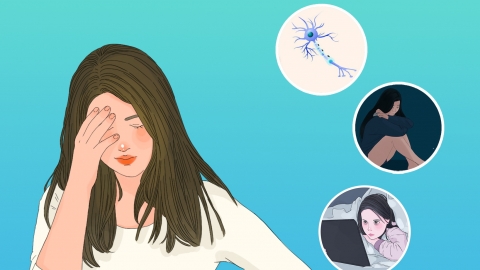
From a genetic perspective, anxiety disorders are not single-gene inherited conditions, so there is no definitive dominance of maternal or paternal inheritance. If one or both parents have an anxiety disorder, their children face a higher risk compared to the general population. However, this increased risk is not guaranteed, nor is it strictly passed down from either the mother or father. Rather, it involves the combined influence of multiple genes, leading to a genetic predisposition.
In addition to genetic factors, environmental influences play a significant role in the development of anxiety disorders. Stressful life events, family atmosphere, and parenting styles during development may interact with genetic susceptibility to trigger anxiety disorders. Even with a genetic predisposition, a supportive environment and well-developed emotional regulation skills can reduce the likelihood of developing the condition, whereas adverse environments may increase the risk.
If there is a family history of anxiety disorders and you experience persistent anxiety that affects daily functioning, it is important to consult a mental health professional. A thorough evaluation can help clarify your individual situation and prevent excessive worry about genetic risks.


