


Can anxiety disorder lead to self-harming behaviors?
Nov 17, 2025
Source: Cainiu Health

Dr. Zhang Baohua
Introduction
In general, whether anxiety disorder may lead to self-harming behaviors depends on specific factors such as the severity of the anxiety, individual psychological traits, and whether timely intervention is provided. If related symptoms or behavioral tendencies arise, prompt medical consultation is recommended. Communicate frequently with the patient, listen to their emotional expressions, and avoid dismissing or ignoring their feelings. Encourage participation in gentle activities.
Generally, whether anxiety disorder may lead to self-harming behaviors depends on specific factors such as the severity of the anxiety, individual psychological traits, and whether timely intervention is received. If related symptoms or behavioral tendencies arise, prompt medical consultation is recommended. The detailed analysis is as follows:
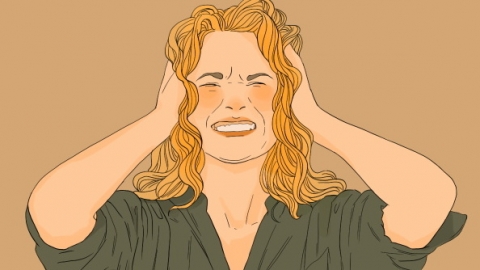
When anxiety disorder progresses to a severe stage, and if the individual has low psychological resilience and lacks effective long-term intervention, self-harming behaviors may emerge. Intense anxiety can plunge a person into overwhelming distress; some individuals may resort to physical self-harm to gain temporary sensory stimulation as a way to divert attention from psychological suffering. This situation commonly occurs among those whose symptoms continue to worsen without professional support.
In cases of mild anxiety, when individuals possess good emotional self-regulation skills and receive timely support, self-harm behaviors typically do not occur. Emotional fluctuations caused by mild anxiety can be alleviated through self-guided coping strategies and companionship from family and friends. With counseling or minimal intervention, their emotional state can stabilize. These individuals are able to release stress through healthy means and do not need to resort to extreme measures.
Maintain open communication with patients, listen attentively to their emotional expressions, and avoid dismissing or ignoring their feelings. Encourage participation in gentle activities such as walking or gardening to help divert attention. Maintain a regular daily routine and a light, nutritious diet to support emotional stability. When signs of emotional disturbance are observed, promptly contact mental health professionals and provide ongoing understanding and support.


