


Is anxiety disorder a psychological disorder or a mental illness?
Nov 17, 2025
Source: Cainiu Health

Dr. Zhang Baohua
Introduction
In general, anxiety disorder is considered both a psychological and a mental illness; the specific classification depends on the perspective of medicine and psychology as well as the severity of the condition. Maintaining a regular sleep schedule helps stabilize mood—going to bed and waking up at consistent times and avoiding late nights. Engaging in moderate exercise regularly, such as jogging or yoga, can help relieve stress through physical activity.
Generally speaking, anxiety disorder is considered both a psychological and mental illness; the specific classification depends on the perspectives of medicine and psychology, as well as the severity of the condition. A detailed analysis is as follows:
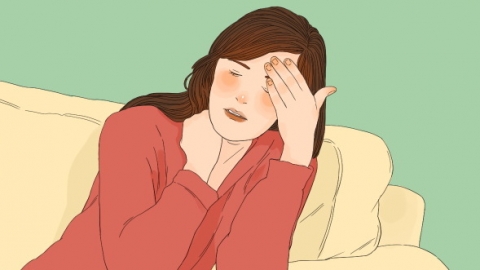
When symptoms are mild, anxiety disorder is mostly categorized as a psychological disorder. At this stage, individuals may experience emotional tension and excessive worry, but they can still maintain basic daily functioning and have clear logical thinking—only experiencing imbalance at the psychological level. From a psychological perspective, such cases are often attributed to cognitive distortions or impaired emotional regulation mechanisms, and the condition can be improved through psychological counseling.
When symptoms severely impair social functioning, the condition is typically classified within the scope of mental illness. Patients may suffer from panic attacks, persistent fear, sleep disturbances, physical pain, and in some cases, even hallucinations or delusions. From a medical standpoint, these conditions require assessment based on both physiological indicators and mental status, and treatment often involves medication to correct imbalances in brain neurotransmitters.
Maintaining regular作息 helps stabilize emotions—establish consistent sleep and wake times and avoid staying up late. Engage in moderate exercise regularly, such as jogging or yoga, to relieve stress through physical activity. Eat a light and balanced diet, reducing caffeine and sugar intake to prevent nervous system stimulation. Communicate frequently with family and friends, sharing your feelings to avoid bearing stress alone. Create a comfortable living environment by minimizing distractions caused by noise and clutter.




