


Can autistic individuals return to being "normal"?
Nov 17, 2025
Source: Cainiu Health

Dr. Zhang Baohua
Introduction
In general, whether individuals with autism can regain normal functioning depends on an integrated assessment of individual development and intervention measures. It is important to create a regular and stable living environment, with consistent daily routines and activity schedules. Communicate using simple, straightforward language, supplemented by gestures to aid understanding. Use the individual's interests as a starting point to engage in interactive games.
In general, whether individuals with autism can regain normal function depends on their individual development and the interventions implemented. A detailed analysis is as follows:
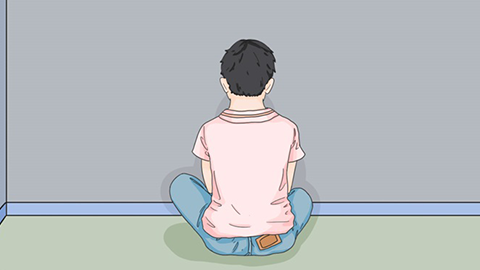
Autistic individuals who have relatively better developmental progress and receive timely intervention may gradually achieve near-normal functional abilities. These individuals usually have a certain foundation in language comprehension and social motivation. When they receive scientific interventions—such as structured training and social guidance—before age three, they can slowly develop communication skills, learn to understand others' emotions, adapt to daily social interactions and academic routines, attend regular schools, and eventually manage daily living independently and integrate into society as adults.
For individuals with significant developmental delays, late intervention, or inappropriate support, regaining normal function is much more difficult. These individuals often have severe language impairments, lack social awareness, display pronounced repetitive behaviors and emotional difficulties, and did not receive effective support during critical developmental periods. They may experience long-term communication challenges, struggle to live independently, require lifelong care from family members, and are unable to engage in typical social, occupational, and daily activities.
To support individuals with autism, create a predictable and stable living environment with consistent daily routines and activity schedules. Communicate using simple, clear language and supplement understanding with gestures. Use the individual’s interests as entry points for interactive games to foster social engagement. Patiently accept repetitive behaviors without forcing change, and provide timely comfort when the individual becomes distressed. Consistently follow professional therapeutic programs, offering ample patience and companionship to help gradually improve their adaptive capabilities.




