


What happens if you sleep with contact lenses on?
Nov 17, 2025
Source: Cainiu Health

Dr. Wang Shuai
Introduction
Sleeping with contact lenses can lead to corneal hypoxia, eye infections, corneal damage, worsened dry eyes, and an increased risk of lens adhesion. The cornea primarily obtains oxygen through direct exposure to air. During sleep, the eyelids are closed, naturally reducing oxygen supply, and contact lenses further block oxygen exchange. Prolonged oxygen deprivation can disrupt corneal metabolism, leading to edema and decreased transparency.
Sleeping with contact lenses can lead to corneal hypoxia, eye infections, corneal damage, worsened dry eyes, and increased risk of lens adhesion. Detailed explanations are as follows:
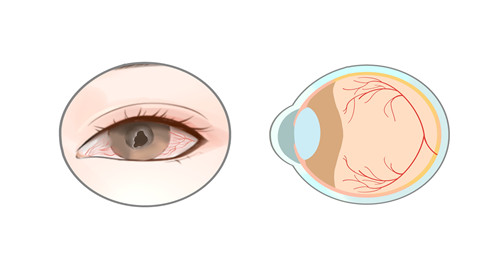
1. Corneal Hypoxia: The cornea primarily obtains oxygen through direct exposure to air. During sleep, the eyelids close, naturally reducing oxygen supply. Wearing contact lenses further blocks oxygen exchange. Prolonged hypoxia disrupts corneal metabolism, leading to edema, reduced transparency, and even impaired corneal function, which may result in temporary blurred vision.
2. Eye Infections: Tear production decreases during sleep, weakening the cleansing and antibacterial effects of tears. Bacteria and debris accumulated on contact lenses are not effectively cleared, creating an environment conducive to microbial growth between the lens and cornea. This may cause infectious conditions such as conjunctivitis or keratitis. Severe cases can present with purulent discharge and vision loss.
3. Corneal Damage: During sleep, unconscious eye movements may cause the contact lens to shift or wrinkle, allowing its edges to directly rub against the corneal surface, resulting in corneal epithelial abrasions. Damaged epithelium becomes more sensitive to external stimuli, causing symptoms like pain, photophobia, and tearing. Improper care may lead to more serious corneal complications.
4. Worsened Dry Eyes: Contact lenses absorb moisture from the ocular surface. During sleep, when tear secretion is already low, lenses lose water and become dry and rigid. These dehydrated lenses continuously irritate the ocular mucosa and destabilize the tear film, exacerbating dryness. Upon waking, individuals may experience a foreign body sensation and blurred vision.
5. Increased Risk of Lens Adhesion: Prolonged overnight wear reduces the tear layer between the lens and cornea, potentially causing the lens to adhere tightly to the cornea. Removing such lenses upon waking may pull on the cornea, causing injury. In severe cases, medical assistance may be required for removal, risking secondary corneal damage.
It is essential to strictly follow contact lens wearing guidelines and avoid sleeping in them—even lenses labeled "suitable for extended wear" should only be used after evaluation and recommendation by an eye care professional. If you accidentally sleep with your lenses in and experience eye discomfort upon waking, remove the lenses immediately and monitor your symptoms. Seek medical attention promptly if symptoms persist.




