


What should I do for sore, painful eyes with tearing?
Nov 17, 2025
Source: Cainiu Health

Dr. Wang Shuai
Introduction
In general, eye soreness and tearing may be caused by eye strain, environmental irritation, dry eye syndrome, conjunctivitis, keratitis, or other reasons. It is recommended to seek medical attention promptly, identify the underlying cause, and then improve symptoms through general measures, medication, or other treatments under a doctor's guidance. Maintain a regular sleep schedule in daily life and avoid staying up late. Include foods rich in vitamins, such as carrots and blueberries, in your diet.
Under normal circumstances, eye soreness and tearing may be caused by eye strain, environmental irritation, dry eye syndrome, conjunctivitis, or keratitis. It is recommended to seek medical attention promptly, identify the underlying cause, and then improve symptoms under a doctor's guidance through general management, medication, or other treatments. Specific analyses are as follows:
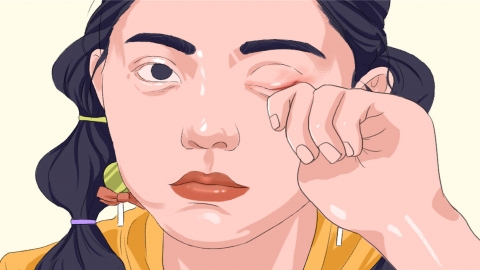
1. Eye strain: Prolonged screen time causes eye muscle tension and accelerates tear evaporation, leading to discomfort. Take a 5-minute break every 40 minutes of screen use to look into the distance. Adjust screen brightness to match ambient lighting, and apply a warm towel compress to the eyes for 10 minutes before bedtime to relieve fatigue.
2. Environmental irritation: Wind, sand, bright light, or direct exposure to air conditioning can irritate the ocular surface, increasing tear production. Wear windproof and blue-light-blocking glasses when outdoors. Use a humidifier indoors when running air conditioning to maintain humidity levels between 40% and 60%.
3. Dry eye syndrome: Insufficient tear production or poor tear quality leads to ocular surface dryness, causing soreness and reflex tearing. Follow your doctor’s instructions to use medications such as sodium hyaluronate eye drops, polyethylene glycol eye drops, or carboxymethylcellulose sodium eye drops. Reduce wearing time of contact lenses.
4. Conjunctivitis: Bacterial or viral infections cause conjunctival congestion, resulting in eye soreness, tearing, and increased discharge. For bacterial infections, medications such as tobramycin eye drops, erythromycin eye ointment, or levofloxacin hydrochloride eye drops may be used. Avoid rubbing the eyes with hands.
5. Keratitis: Inflammation of the cornea due to infection or injury causes significant pain and tearing, often accompanied by blurred vision. Follow medical advice to use antiviral or anti-inflammatory eye drops such as acyclovir eye drops, natamycin eye drops, or pranoprofen eye drops. In severe cases, corneal transplantation may be required to repair damaged tissue.
Maintain a regular daily routine and avoid staying up late. Eat foods rich in vitamins, such as carrots and blueberries, and reduce intake of spicy and irritating foods. Maintain good eye hygiene by washing hands frequently and avoiding sharing towels, eye drops, or other personal eye-care items.




