


What is eyelid dermatitis?
Nov 18, 2025
Source: Cainiu Health

Dr. Liu Wenmin
Introduction
In general, eyelid dermatitis may be caused by factors such as a weakened skin barrier on the eyelids, exposure to irritants, allergic dermatitis, seborrheic dermatitis, or neurodermatitis. It is recommended to seek medical attention promptly, identify the underlying cause, and receive appropriate treatment under a doctor's guidance. Maintain a light diet and reduce intake of spicy and irritating foods. When going outdoors, practice sun protection and avoid direct sunlight exposure around the eyes.
In general, eyelid dermatitis may be caused by factors such as a weakened eyelid skin barrier, exposure to irritants, allergic dermatitis, seborrheic dermatitis, or neurodermatitis. It is recommended to seek medical attention promptly, identify the underlying cause, and receive symptomatic treatment under a doctor's guidance. Specific analyses are as follows:
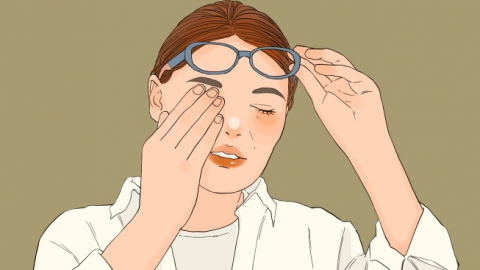
1. Weakened eyelid skin barrier: The skin on the eyelids is thin and delicate, with poor barrier function, making it prone to dryness and redness due to environmental influences. Use mild, non-irritating facial cleansers in daily care, avoid frequent exfoliation, and apply fragrance-free moisturizing eye creams to strengthen the skin barrier.
2. Exposure to irritants: Using low-quality eyeshadows, mascara, or coming into contact with hair dyes can irritate the eyelids and trigger inflammation. Immediately discontinue suspected products, gently cleanse the eye area with lukewarm water, avoid scratching, and subsequently choose simple-formula eye skincare products.
3. Allergic dermatitis: Contact with allergens such as pollen, dust mites, or animal fur can cause redness and itching of the eyelids. Avoid known allergens and follow medical advice to take antihistamines such as loratadine tablets, cetirizine hydrochloride tablets, or ebastine tablets to alleviate allergic reactions.
4. Seborrheic dermatitis: Excessive sebum production on the eyelids combined with Malassezia infection leads to light red patches accompanied by flaking. Maintain cleanliness around the eyes and use medications such as ketoconazole cream, tacrolimus ointment, or pimecrolimus cream as directed by a physician to control inflammation.
5. Neurodermatitis: Mental stress or staying up late can lead to nervous system dysfunction, and repeated scratching causes thickening and itching of the eyelid skin. Maintain regular sleep patterns to reduce stress, avoid scratching, and use medications such as desonide cream, mometasone furoate cream, or hydrocortisone butyrate cream as prescribed. In severe cases, procaine block therapy may be performed to interrupt nerve stimulation.
Maintain a light diet and reduce intake of spicy or irritating foods. Practice sun protection when outdoors to prevent direct sunlight exposure to the eye area. Stay relaxed mentally, avoid excessive eye strain, and promote recovery of healthy eyelid skin through comprehensive care.



