


How to remove eye lid fat granules
Nov 19, 2025
Source: Cainiu Health

Dr. Wang Lei
Introduction
Under normal circumstances, the main treatments for eyelid milia include daily skincare, physical therapy, medication, professional extraction, and traditional Chinese medicine regulation. It is important to note that the eyelid area is rich in blood vessels, so milia should never be self-extracted. During treatment, follow medical advice closely, and if symptoms such as redness, swelling, or pain occur, seek medical attention immediately.
Generally, treatment methods for eyelid milia mainly include daily care, physical therapy, medication, professional extraction, and traditional Chinese medicine (TCM) regulation. Specific analyses are as follows:
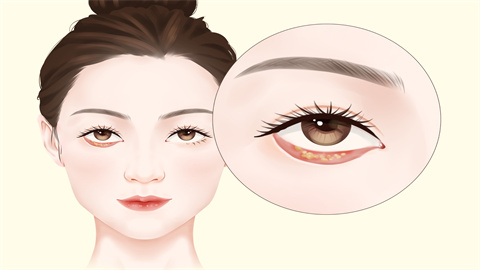
1. Daily Care
The skin of the eyelid is thin and delicate; excessive cleansing or friction can damage its protective barrier, obstruct sebum discharge, and lead to milia formation. It is important to choose gentle facial cleansers and avoid frequent exfoliation. After makeup use, thoroughly clean the eye area with an eye-specific makeup remover to minimize cosmetic residue. Apply lightweight eye care products regularly, avoiding oily ingredients that may accumulate. Additionally, ensure adequate sleep to reduce endocrine imbalances that may cause abnormal sebum secretion.
2. Physical Therapy
Physical therapy directly targets milia using specific techniques, commonly including laser therapy and cryotherapy. Laser therapy uses photothermal effects to break down lipid contents within milia, promoting their metabolic elimination. Cryotherapy induces necrosis and shedding of milia tissue through low temperatures. Both methods effectively remove milia and allow for relatively quick recovery.
3. Medication
Medication helps regulate keratin metabolism and promotes the resolution of milia. Under medical guidance, patients may use topical agents such as tretinoin cream, adapalene gel, or isotretinoin gel. These medications promote normal desquamation of eyelid skin, unclog pores, and prevent sebum accumulation.
4. Professional Extraction
Professional extraction must be performed by healthcare personnel in a sterile environment. A sterilized specialized needle is used to puncture the surface of the milia, followed by gentle expression of the internal lipid material. The skin must be thoroughly disinfected before the procedure to prevent infection. After extraction, an antibacterial ointment should be applied to prevent secondary inflammation. This method is highly targeted and allows rapid removal of mature milia.
5. Traditional Chinese Medicine (TCM) Regulation
According to TCM, eyelid milia are associated with phlegm-dampness stagnation and spleen-stomach deficiency. Treatments often involve herbal formulas that strengthen the spleen, eliminate dampness, resolve phlegm, and dissipate nodules, such as Shenling Baizhu Pills or Erchen Pills. Acupuncture may also regulate meridian qi and blood flow, improve local metabolism, and help reduce milia formation.
It is important to note that the eyelid area is rich in blood vessels; therefore, self-extraction of milia should never be attempted. During treatment, follow medical advice strictly. If symptoms such as redness, swelling, or pain occur, seek immediate medical attention. Maintaining healthy lifestyle habits and a light diet in daily life can reduce the risk of milia recurrence.





