


How to prevent recurrence after strabismus surgery
Nov 18, 2025
Source: Cainiu Health

Dr. Wang Lei
Introduction
To prevent recurrence after strabismus surgery, it is generally recommended to persist with postoperative visual training, strictly follow medical advice regarding medication, attend regular follow-up visits for treatment adjustments, avoid unhealthy eye-use habits, and pay attention to the development of binocular vision function. After surgery, patients should carry out binocular vision training as directed by their doctor, such as simultaneous perception training and fusion training. These exercises can enhance the coordination ability of both eyes and help consolidate the surgical outcome.
To prevent recurrence after strabismus surgery, it is generally recommended to persist with postoperative visual training, strictly follow medical instructions for medication, attend regular follow-up visits to adjust treatment plans, avoid不良 eye habits, and monitor the development of binocular vision function. The details are as follows:
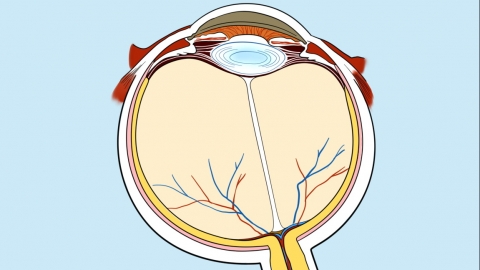
1. Persist with postoperative visual training: After surgery, patients should perform binocular vision function exercises as directed by their doctor, such as simultaneous perception training and fusion training. These exercises enhance the coordination ability of both eyes, consolidate surgical outcomes, help establish stable visual function, and reduce the risk of eye misalignment recurring.
2. Strictly follow medical instructions for medication: Patients must use prescribed antibiotic eye drops, ointments, or anti-inflammatory medications on schedule after surgery to prevent ocular infection or inflammatory reactions. Do not discontinue or alter dosages without guidance, as inadequate control of inflammation may impair extraocular muscle recovery and increase the likelihood of recurrence. Complete the full course of medication as prescribed.
3. Regular follow-up visits and plan adjustments: Patients should return to the hospital for scheduled checkups, typically one week, one month, and three months after surgery. During these visits, doctors will evaluate eye alignment, visual acuity, and binocular vision status. If any tendency toward eye deviation is detected, the training regimen can be adjusted promptly or additional interventions initiated to prevent recurrence.
4. Avoid不良 eye habits: During the postoperative recovery period, avoid prolonged near-work activities such as continuous use of electronic devices or reading. Follow the 20-20-20 rule—look at something 20 feet away for 20 seconds every 20 minutes. Also avoid rubbing the eyes forcefully or sustaining eye injuries, as external forces may disrupt proper healing of the eye muscles and compromise their stability.
5. Monitor binocular vision development: In pediatric patients, special attention should be paid to the development of visual function after surgery. Parents should supervise their children in completing prescribed visual exercises and ensure a healthy visual environment. If refractive errors (e.g., myopia, hyperopia, astigmatism) are present, corrective glasses should be prescribed promptly to ensure clear retinal images, which form the foundation for stable binocular vision.
If significant eye misalignment, double vision, eye pain, or other abnormalities occur after surgery, seek immediate medical evaluation. Even in cases of good recovery, long-term follow-up according to medical advice is essential to maintain stable visual function.



