


At what age does myopia stop progressing?
Nov 18, 2025
Source: Cainiu Health

Dr. Wang Lei
Introduction
If adolescents maintain proper eye usage habits, ensure sufficient daily outdoor activities, avoid prolonged near-work, and have no family history of high myopia, the axial length of their eyes usually stabilizes by age 18, and myopia progression gradually stops. In these individuals, refractive error typically remains stable in adulthood, requiring only regular vision check-ups without frequent eyeglass replacements.
Under normal circumstances, myopia usually stops progressing around the age of 18–20. However, due to eye usage habits or genetic factors, some individuals may continue to experience progression of myopia beyond the age of 25. If concerned, it is recommended to seek medical advice early. Detailed analysis is as follows:
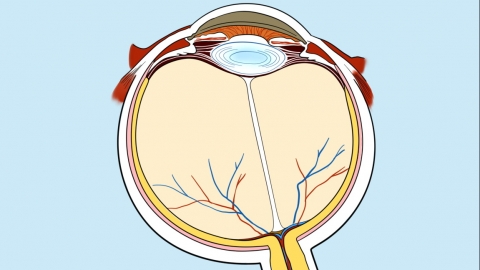
If adolescents maintain proper eye use habits, ensure sufficient daily outdoor activity, avoid prolonged near-work tasks, and have no family history of high myopia, eye axis development typically stabilizes by age 18, and myopia progression gradually halts. In these individuals, refractive error usually remains stable in adulthood, requiring only regular vision check-ups without frequent glasses replacement.
If adolescents overuse their eyes—such as through prolonged electronic device use, lack of outdoor activity—or have a family history of high myopia, myopia may continue to progress beyond age 25 and could even develop into pathological myopia. In such cases, myopia may still increase year after year in adulthood, necessitating enhanced vision monitoring and timely intervention when needed to prevent rapid progression and associated ocular complications.
In daily life, it's important to maintain healthy eye-use habits, such as taking visual breaks by looking into the distance every 30 minutes of near work; undergo regular vision examinations and establish a lifelong vision record. If myopia continues to progress in adulthood, individuals should promptly consult an ophthalmologist to identify underlying causes and adopt appropriate preventive and control measures under professional guidance to protect long-term eye health.





