


How good does amblyopia treatment need to be considered successful?
Nov 18, 2025
Source: Cainiu Health

Dr. Wang Lei
Introduction
For pediatric amblyopia, a good treatment outcome is considered when, after treatment, the uncorrected or corrected visual acuity reaches the normal range for the child's age group (e.g., 0.5 or better for ages 3–5, and 0.8 or better for age 6 and older), both eyes can work together effectively (such as having simultaneous perception and fusion function), and visual acuity remains stable without regression during a follow-up period of six months to one year.
Generally, amblyopia is considered successfully treated when vision reaches the normal level for the corresponding age group and binocular visual function is normal. The criteria for children and adults differ slightly. If in doubt, it is recommended to consult a doctor early. Detailed analysis is as follows:
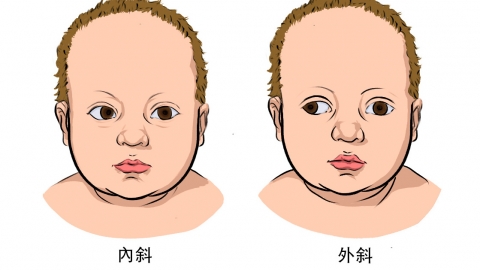
If amblyopia occurs in children, treatment is deemed effective when uncorrected or corrected visual acuity reaches the normal range for their age group (e.g., 0.5 or better for ages 3–5, and 0.8 or better for age 6 and above), and both eyes can work together (such as having simultaneous perception and fusion ability). If vision remains stable without regression during six months to one year of follow-up, the outcome is considered favorable. Since visual development in children is still immature, timely treatment offers greater recovery potential. Even after achieving these standards, regular monitoring is necessary.
For adult amblyopia, because visual development is already mature, the treatment goal is usually to improve vision to a functional level sufficient for daily life (e.g., reaching 0.4 or better to meet needs such as reading and seeing objects), rather than achieving completely normal vision. If vision stabilizes at an improved level after treatment, binocular visual function shows some improvement, and there are no significant symptoms such as eye strain or blurred vision, the treatment can also be considered effective. Treatment for adults typically takes longer and requires patience and consistent adherence to prescribed training.
During amblyopia treatment, patients must have regular check-ups for visual acuity and visual function as directed by their doctor, so that treatment plans can be adjusted accordingly. Parents of child patients should supervise their children to ensure compliance with treatments such as patching and visual exercises. Even after visual acuity meets the target, continued follow-up is essential to prevent vision regression and consolidate treatment outcomes.






