


Can patients with a stye eat crab?
Nov 18, 2025
Source: Cainiu Health

Dr. Huang Yuhong
Introduction
Patients with hordeolum should avoid eating crab. Crab is considered a cold-natured and allergenic food that may exacerbate ocular inflammatory responses, delay recovery, and potentially trigger adverse symptoms, especially in individuals who are allergic. If symptoms such as worsened inflammation, itching, or rash occur after consumption, prompt medical attention is advised. Crab has a cold nature, whereas hordeolum is typically caused by accumulation of heat-toxin.
Patients with hordeolum (stye) are advised not to eat crab. Crab is considered a cold-natured and allergenic food in traditional Chinese medicine, and some individuals may be allergic to it. Consuming crab may exacerbate ocular inflammatory responses, delay recovery, and potentially trigger discomfort. If symptoms such as worsened inflammation, itching, or rash occur after eating crab, prompt medical attention is recommended.
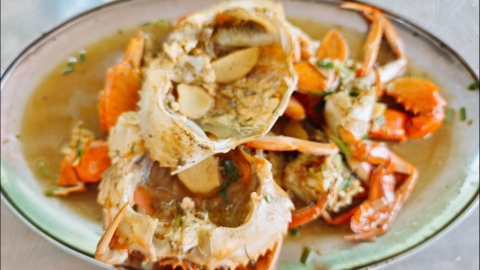
Crab has a cold nature, while hordeolum is often caused by internal heat toxicity and excessive liver fire. Cold-natured foods may impair the circulation of qi and blood in the body, hinder the dissipation of heat toxicity, and possibly affect spleen and stomach function, thereby reducing the body's resistance and indirectly prolonging the recovery from inflammation.
In addition, crab is a common allergen. During an episode of hordeolum, the body is in a state of heightened inflammatory sensitivity. Eating crab may trigger or worsen allergic reactions, leading to symptoms such as increased eye itching and swelling, or even systemic rashes and itching, further aggravating physical discomfort.
Diet during illness should be light and easily digestible. It is advisable to consume more fresh fruits and vegetables to supplement vitamins, and drink plenty of water to promote metabolism. Avoid seafood, spicy, stimulating, and fried foods. Maintain good eye hygiene, apply warm compresses regularly, and minimize eye strain to support the resolution of inflammation.





