What are the precautions for cataract laser surgery?
Nov 18, 2025
Source: Cainiu Health

Dr. Wang Lei
Introduction
Precautions for cataract laser surgery generally include completing comprehensive eye examinations before surgery, controlling underlying medical conditions prior to the procedure, maintaining head stability during surgery, avoiding eye trauma after surgery, and using medications as prescribed postoperatively. Prior to surgery, patients need to undergo multiple tests, including visual acuity, intraocular pressure, corneal thickness, and fundus examination, to determine the severity of the cataract and the overall condition of the eye.
Precautions for cataract laser surgery generally include completing comprehensive eye examinations before surgery, controlling underlying medical conditions prior to the procedure, maintaining head stability during surgery, avoiding eye trauma after surgery, and using medications as prescribed postoperatively. The details are as follows:
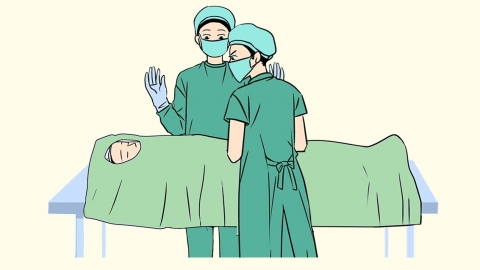
1. Complete preoperative eye examinations: Prior to surgery, patients must undergo multiple tests including visual acuity, intraocular pressure, corneal thickness, and fundus examination to assess the severity of cataracts and overall eye health. These test results serve as critical references for surgeons when planning the surgical approach, helping to minimize surgical risks and ensure suitability for the procedure.
2. Control of underlying medical conditions before surgery: Patients with chronic conditions such as hypertension or diabetes should ensure their vital indicators are stabilized before surgery. Significant fluctuations in blood pressure or blood glucose levels may increase the risk of intraoperative bleeding and postoperative infections, negatively affecting both surgical outcomes and recovery. Medications or dietary regimens should be adjusted under medical supervision as needed.
3. Maintain head stability during surgery: Patients must keep their head completely still throughout the procedure and avoid any unnecessary movement, such as turning or tilting the head. Laser surgery requires extremely high precision; even slight head motion can cause misalignment of the laser, compromising surgical accuracy and potentially damaging ocular tissues.
4. Avoid eye trauma after surgery: For a short period following surgery (typically 1–3 months), patients should avoid any external impact or injury to the eye, refrain from rubbing the eye, and avoid strenuous physical activities. The eye is particularly vulnerable during recovery, and physical trauma could lead to wound dehiscence or dislocation of the implanted intraocular lens, impairing healing and visual outcomes.
5. Use medications as directed after surgery: Patients must consistently use prescribed medications such as antibiotic ointments and steroid eye drops according to the recommended dosage and frequency. These medications help prevent infection, reduce inflammation, and support the healing of ocular tissues. Discontinuing or altering medication without medical advice may lead to complications.
Cataract laser surgery should be performed at a reputable ophthalmic center. Patients should have thorough discussions with their doctor about surgical details beforehand. Regular follow-up visits after surgery are essential to monitor vision recovery and eye health. If any abnormalities occur—such as sudden vision loss, eye pain, or increased eye discharge—immediate medical attention is required.