


How to Determine the Cause of Back Pain
Nov 19, 2025
Source: Cainiu Health

Dr. Wang Lei
Introduction
The cause of back pain can be determined by evaluating the location and extent of pain, its nature and duration, factors that trigger or relieve it, associated symptoms, as well as past medical and trauma history, integrating multiple sources of information for comprehensive analysis. If back pain is severe, persistent, or accompanied by symptoms such as chest tightness or hemoptysis, prompt medical attention is recommended. Identify the precise point of pain concentration or the area of radiation.
To determine the cause of back pain, a comprehensive analysis can be conducted by evaluating multiple factors such as the location and extent of pain, nature and duration of pain, triggering and relieving factors, associated symptoms, as well as medical and trauma history. If back pain is severe, persistent, or accompanied by symptoms such as chest tightness or coughing up blood, prompt medical attention is recommended.
1. Location and extent of pain: Identify the specific site or areas where pain is concentrated. Upper back pain may be related to cervical spine or lung conditions, while lower back pain is often associated with lumbar spine or urinary system issues. Localized tender points may indicate muscle strain or fasciitis.
2. Nature and duration of pain: Sharp or burning pain may suggest nerve or mucosal irritation, whereas dull or aching pain is typically linked to musculoskeletal problems. Brief, intermittent pain could result from muscle spasms, while persistent pain lasting more than one week may indicate an underlying organic disease.
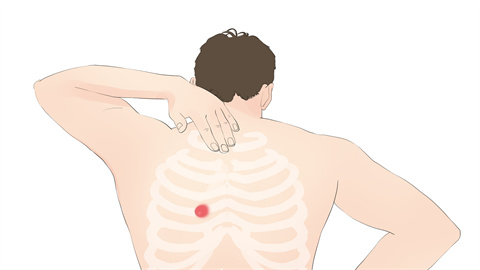
3. Triggering and relieving factors: Pain that worsens with activity may indicate joint or muscle injury; if rest does not relieve the pain, internal organ disorders should be considered. Pain intensified by pressure is often due to local tissue pathology, while pain triggered by bending or twisting may be related to spinal issues.
4. Associated symptoms: Chest tightness and palpitations may point to cardiovascular conditions; cough and sputum production suggest respiratory system involvement; frequent or urgent urination indicates possible urinary tract issues; limb numbness should raise suspicion of nerve compression.
5. Medical and trauma history: A history of cervical or lumbar spine disorders may suggest recurrence of prior conditions. Pain following recent trauma could indicate fractures or soft tissue injuries. A history of chronic overuse often implies muscular strain.
In daily life, maintain proper sitting and standing posture, avoid prolonged sitting or standing, regularly stretch and move the back muscles, choose a mattress of moderate firmness, prevent exposure of the back to cold or heavy loads, and engage in appropriate stretching exercises to reduce the risk of developing back pain.







