


What should I do for lower back pain caused by lumbar disc herniation?
Nov 25, 2025
Source: Cainiu Health

Dr. Chen Jian
Introduction
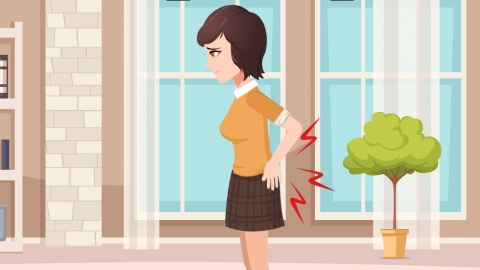
Low back pain caused by lumbar disc herniation can be improved through bed rest and immobilization, physical therapy, medication for symptomatic pain relief, rehabilitation exercises to strengthen the muscles, and lifestyle adjustments. Appropriate treatment should be selected based on the severity of the condition. If low back pain is accompanied by numbness in the lower limbs, abnormal bowel or bladder function, or持续 worsening for more than one week, prompt medical attention is recommended.
Lumbar disc herniation can cause lower back pain, which may be improved through bed rest and immobilization, physical therapy, medication for symptomatic pain relief, rehabilitation exercises, and lifestyle adjustments. The appropriate approach should be selected based on the severity of the condition. If lower back pain is accompanied by numbness in the lower limbs, abnormal urination or bowel movements, or continuously worsens for more than one week, prompt medical attention is recommended.
1. Bed rest and immobilization: During the acute phase, reduce lumbar load by resting on a firm mattress for 1–2 weeks. Avoid prolonged sitting or standing and bending to lift heavy objects, thereby decreasing pressure on the intervertebral discs and alleviating pain caused by nerve root irritation.
2. Physical therapy: Lumbar traction helps widen the intervertebral space, heat application improves blood circulation, and acupuncture or massage can relax muscles. These methods help reduce compression of the nerve roots by the disc and relieve pain and stiffness.
3. Medication for pain relief: Under medical supervision, take non-steroidal anti-inflammatory drugs (NSAIDs) to alleviate pain, or use topical plasters or ointments for localized pain relief. Avoid long-term self-medication to minimize adverse effects such as gastrointestinal issues.
4. Rehabilitation and strengthening exercises: After pain subsides, perform exercises such as "flying swallow" and "five-point support" to strengthen the back and core muscles, enhance spinal stability, and reduce recurrence. Exercises should progress gradually and avoid overexertion.
5. Lifestyle modifications: Maintain proper sitting and standing posture, use lumbar cushions for support, avoid wearing high heels, wear a lumbar brace when necessary, control body weight to reduce spinal load, and prevent exposure of the lower back to cold or damp conditions.
In daily life, avoid sudden bending or twisting of the waist. When lifting heavy objects, use leg strength rather than the back. Regularly perform moderate back muscle exercises, maintain the natural curve of the spine during sleep, and consume a diet rich in calcium and protein to support recovery of lumbar function.




