What are the differences between early-stage skin cancer and other skin conditions?
Nov 19, 2025
Source: Cainiu Health

Dr. Liu Wenmin
Introduction
Differences between early-stage skin cancer and other skin conditions generally include lesion morphology stability, border and color characteristics, associated symptoms, and differences in healing capacity. Early-stage skin cancer lesions are often unstable and gradually change over time, such as expanding in size, altering in shape, or even developing ulceration and crusting. In contrast, lesions from other skin conditions like eczema or dermatitis tend to remain relatively stable in appearance.
Skin cancer in its early stages can be distinguished from other skin conditions based on several factors, including lesion morphological stability, border and color characteristics, accompanying symptoms, differences in healing ability, and growth rate. The specific analysis is as follows:
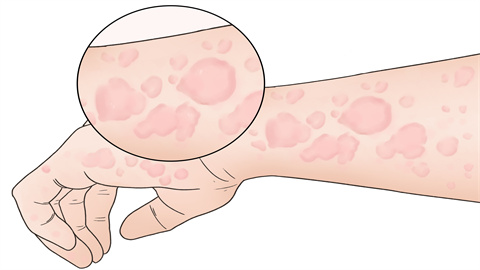
1. Lesion Morphological Stability: Early-stage skin cancer lesions are often unstable and gradually change over time, such as expanding in size, altering in shape, or even developing ulceration and crusting. In contrast, lesions caused by other skin conditions like eczema or dermatitis tend to remain relatively stable in appearance and typically diminish with treatment, rarely undergoing continuous deformation.
2. Border and Color Characteristics: Early skin cancer lesions usually have irregular borders—jagged or poorly defined—and uneven pigmentation, often displaying a mixture of colors such as black, brown, and red. Other skin conditions generally present with well-demarcated borders and more uniform coloration; for example, eczema typically appears red, while fungal infections (like ringworm) are usually light brown with even color distribution.
3. Accompanying Symptoms: Early skin cancer may cause mild itching, stinging, or burning sensations. Some lesions bleed easily upon contact and may be difficult to stop bleeding once it starts. In comparison, conditions like urticaria (hives) are often associated with intense itching but rarely involve bleeding. Although eczema may produce exudate, it usually heals with proper care and does not frequently bleed.
4. Healing Ability Differences: Early skin cancer lesions heal slowly after ulceration, sometimes failing to heal altogether and forming persistent, non-healing ulcers. Other skin conditions such as folliculitis or acne, even when broken or damaged, typically heal within a short period following cleansing, care, or simple treatment, without progressing to chronic ulceration.
5. Growth Rate Differences: Early skin cancer lesions tend to grow relatively quickly, noticeably increasing in size over weeks or months. In contrast, benign skin conditions such as flat warts or pigmented nevi grow slowly, often showing little to no change in shape or size over several months or even years, and do not exhibit rapid growth.
It is important to regularly monitor skin health. If any signs suggestive of early skin cancer are observed, prompt consultation with a dermatologist is recommended for definitive diagnosis through pathological examination.