Is keratosis pilaris worse in winter or in summer?
Nov 29, 2025
Source: Cainiu Health

Dr. Liu Wenmin
Introduction
"Chicken skin" usually refers to keratosis pilaris. In general, the severity of keratosis pilaris may differ between winter and summer; whether it worsens depends on specific seasonal characteristics and individual skin conditions. When cleansing, rinse with lukewarm water and use a gentle, soap-free cleanser, avoiding rubbing the affected areas. Immediately after bathing, apply a moisturizing lotion to replenish skin hydration and lock in nutrients.
“Chicken skin” usually refers to keratosis pilaris. Generally, the severity of keratosis pilaris varies between winter and summer, and whether it worsens depends on specific seasonal characteristics and individual skin conditions. If discomfort occurs, prompt medical consultation is recommended. The detailed analysis is as follows:
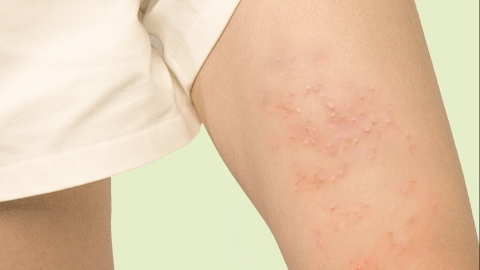
In winter, the cold and dry climate accelerates moisture loss from the skin, making the stratum corneum rough and hard, often worsening keratosis pilaris. Individuals with a fragile skin barrier, reduced sebum production, and increased friction from winter clothing may experience further irritation, leading to more noticeable small bumps on areas such as the arms and outer thighs, accompanied by dryness and flaking.
In summer, high temperatures and humidity can exacerbate keratosis pilaris if strong cleansing products are frequently used or excessive exfoliation damages the skin barrier. However, for some individuals, increased sebum production during summer helps soften the keratin, thereby alleviating symptoms. This improvement is more commonly seen in people with moderate oil secretion and those who practice gentle skincare, but it is not a universal phenomenon.
When cleansing, use lukewarm water and choose mild, soap-free cleansers, avoiding rubbing the affected areas. Apply moisturizing lotion immediately after bathing to replenish moisture and lock in nutrients. Avoid frequent exfoliation; instead, use a gentle scrub once weekly. Practice sun protection outdoors to minimize UV damage and maintain stable skin condition.