


How is autism treated?
Nov 19, 2025
Source: Cainiu Health

Dr. Zhang Baohua
Introduction
In general, the occurrence of autism may be related to factors such as genetic predisposition, abnormal neural development, social communication difficulties, sensory integration dysfunction, and co-occurring emotional and behavioral problems. It is recommended to seek medical attention promptly, clarify the condition, and then improve symptoms through rehabilitation training, medication, and other approaches under a doctor's guidance. Daily life should include a supportive and accepting family environment and the establishment of a regular daily routine.
Generally, the occurrence of autism may be associated with factors such as genetic predisposition, abnormal neural development, social communication difficulties, sensory integration dysfunction, and co-occurring emotional and behavioral problems. It is recommended to seek medical attention promptly, clarify the condition, and then improve symptoms through rehabilitation training, medication, and other methods under the guidance of a doctor. Specific analysis is as follows:
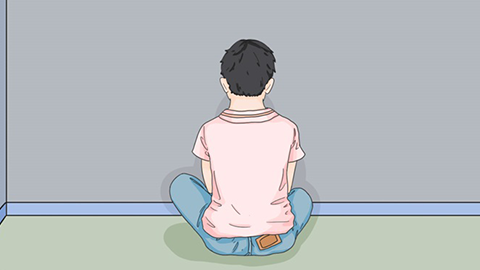
1. Genetic predisposition: Individuals with a family history of autism or neurodevelopmental disorders have an increased risk of developing the condition, as genetic factors contribute to susceptibility. Preconception genetic counseling, regular prenatal check-ups, and close monitoring of developmental milestones after birth are advised. Early intervention should be initiated if delays in language or social skills are detected. Parents are encouraged to participate in professional training programs to enhance caregiving abilities.
2. Abnormal neural development: Prenatal infections, oxygen deprivation, or brain injury during infancy can lead to structural and functional abnormalities in brain development, affecting cognitive and social functions. Pregnant women should avoid exposure to harmful substances and ensure adequate nutrition. Enhanced safety measures for infants and young children are essential. Early implementation of rehabilitation interventions—such as applied behavior analysis and speech therapy—can promote functional compensation in the brain.
3. Social communication difficulties: Affected individuals often lack initiative in social interaction, exhibit delayed or atypical language development, and struggle to understand others' emotions and intentions. Social skills group training can help learn interactive techniques, while speech therapy improves expressive and receptive language abilities. Augmentative tools such as the Picture Exchange Communication System (PECS) can establish communication bridges, and daily social scenarios should be created for repeated practice.
4. Sensory integration dysfunction: Over-sensitivity or under-responsiveness to sensory stimuli such as sound or touch may manifest as behaviors like covering ears or avoiding physical contact. A professional should design an individualized sensory integration program, using tactile massage and vestibular balance training to improve sensory processing. Minimizing adverse environmental stimuli such as bright lights and loud noises, and providing a comfortable, stable sensory environment, is also important.
5. Co-occurring emotional and behavioral problems: Impulsive, aggressive, or self-injurious behaviors often occur secondarily, negatively impacting daily life and treatment outcomes. Medications such as risperidone orally disintegrating tablets, aripiprazole tablets, and clozapine tablets may be prescribed to manage symptoms. These should be combined with positive behavior support strategies to reinforce appropriate behaviors, along with emotion recognition training to help individuals identify their own and others’ emotions.
In daily life, a supportive and accepting family environment should be fostered, with consistent routines established. Nutrition should be balanced, emphasizing high-quality protein and vitamin intake. Parents should remain patient and committed to long-term intervention, collaborating with schools and community resources to build a comprehensive support system that promotes skill development and social integration.




