


Is feeling down the same as depression?
Nov 19, 2025
Source: Cainiu Health

Dr. Zhang Baohua
Introduction
Low mood does not equate to depression; it is merely one of the core symptoms of depression. Normal emotional fluctuations are clearly distinct from depression, which requires evaluation based on multiple characteristics. If low mood persists for more than two weeks and affects daily functioning, prompt medical assessment is recommended. Low mood is often triggered by specific events, such as stress or setbacks, and typically lasts for a shorter duration.
Mood low does not equal depression; it is merely one of the core symptoms of depression. Normal mood fluctuations are clearly different from depression, and a comprehensive assessment based on multiple characteristics is required. If low mood persists for more than two weeks and affects daily life, prompt medical evaluation is recommended.
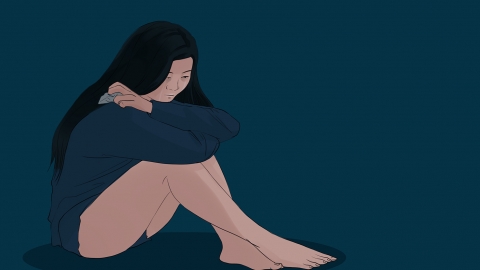
Low mood is often triggered by specific events, such as stress or setbacks, lasts for a short duration, and usually resolves on its own within a few days. It does not interfere with normal life, work, or social activities, and can improve through self-regulation or talking to others.
In depression, low mood is persistent, occurring without a clear trigger or failing to improve even after the initial cause has disappeared. It is accompanied by other symptoms such as loss of interest, sleep disturbances, changes in appetite, difficulty concentrating, and feelings of self-worthlessness, significantly impairing daily functioning and potentially leading to suicidal thoughts.
Maintain a regular routine and engage in moderate exercise, communicate frequently with family and friends to release emotions, cultivate hobbies to shift focus, avoid excessive self-criticism, and regulate your mindset through healthy strategies to support mental well-being.


