


What exactly is depression?
Nov 19, 2025
Source: Cainiu Health

Dr. Zhang Baohua
Introduction
In terms of symptom presentation, patients often remain in a persistently low mood, lose interest in activities they previously enjoyed, and may even avoid social interactions. Some patients experience cognitive issues such as difficulty concentrating and memory decline, or accompanying symptoms like insomnia, early morning awakening, and decreased appetite. In severe cases, negative thoughts may arise, significantly affecting normal work and daily life.
Under normal circumstances, depression is a common mental and psychological disorder characterized primarily by persistent low mood and loss of interest. It is often accompanied by various abnormalities in cognition, sleep, and physical health, significantly affecting daily life. If there are concerns, it is recommended to seek medical consultation early. A detailed analysis is as follows:
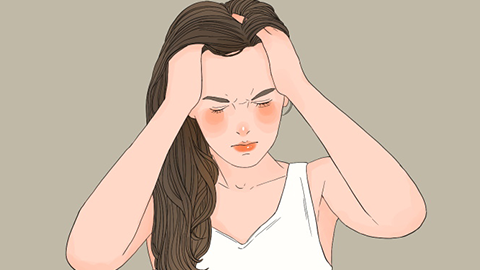
In terms of symptom presentation, patients often experience prolonged low mood, lose enthusiasm for activities they previously enjoyed, and may even avoid social interactions. Some patients develop cognitive issues such as difficulty concentrating and memory decline, or suffer from insomnia, early morning awakening, reduced appetite, and other symptoms. In severe cases, negative thoughts may arise, impairing normal work and daily functioning.
Regarding causative factors, depression is associated with multiple elements, including genetic predisposition, neurotransmitter imbalances, psychological stress, and major life events. These factors, acting alone or in combination, may disrupt the brain's emotional regulation mechanisms, leading to depression. The underlying causes vary among individuals and require comprehensive assessment based on personal circumstances.
In daily life, it is important to pay attention to emotional changes in oneself and others. When persistent low mood occurs, timely psychological support should be sought. If symptoms last longer than two weeks, prompt evaluation at a professional healthcare facility is necessary to avoid delays in intervention.


