Which department should I visit for twitching of the lower eyelid?
Nov 19, 2025
Source: Cainiu Health

Dr. Wang Lei
Introduction
In general, eye twitching of the lower eyelid can be evaluated by appropriate departments depending on the specific cause, such as ophthalmology, neurology, psychiatry and psychology, endocrinology, or general medicine. Additionally, it is important to maintain regular sleep patterns and reduce the use of electronic devices in daily life. If symptoms occur frequently or worsen, prompt medical consultation is necessary to avoid delaying diagnosis and treatment.
Under normal circumstances, twitching of the lower eyelid may prompt a visit to departments such as ophthalmology, neurology, psychiatry and psychology, endocrinology, or general medicine, depending on the specific cause. The details are as follows:
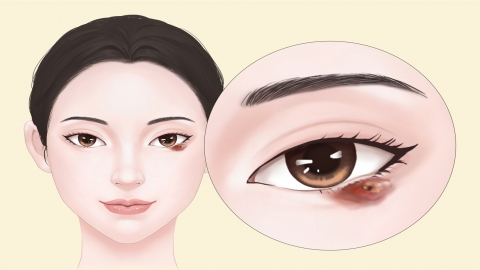
1. Ophthalmology
Ophthalmology is the primary department for treating lower eyelid twitching caused by eye-related issues such as eye strain, dry eye syndrome, eyelid inflammation, or refractive errors. Eyelid muscles are controlled by ocular nerves, and eye diseases can easily irritate these nerves, leading to muscle spasms. Ophthalmologists use tests like visual acuity exams and slit-lamp examinations to identify the underlying cause, and may recommend artificial tears for dryness, anti-inflammatory medications for inflammation, or corrective lenses for refractive errors.
2. Neurology
If lower eyelid twitching persists for more than one week or is accompanied by twitching in other areas of the face, a consultation with the neurology department is recommended. This could be related to neurological conditions such as abnormally excited facial nerves or hemifacial spasm, often due to nerve compression or damage. Neurologists may perform neurophysiological tests to assess the condition and prescribe medication or physical therapy to regulate nerve function.
3. Psychiatry and Psychology
Lower eyelid twitching caused by chronic anxiety, stress, or emotional tension should be evaluated in the psychiatry and psychology department. Emotional fluctuations can affect the neuroendocrine system, resulting in abnormal muscle excitability. Doctors will conduct psychological assessments to determine the patient's mental state and may use counseling or emotion-regulation techniques to relieve symptoms.
4. Endocrinology
Endocrine disorders such as abnormal thyroid function may also lead to lower eyelid twitching, in which case an endocrinology consultation is needed. Hormonal imbalances can affect neuromuscular excitability. Doctors will order blood tests to evaluate hormone levels and provide targeted treatment to restore hormonal balance.
5. General Medicine
If the cause of the eyelid twitch is unclear or symptoms are mild, patients may first consult a general medicine physician. General practitioners can perform an initial assessment and determine whether referral to a specialist is necessary, helping guide further diagnosis and treatment.
In addition, it's important to maintain regular sleep patterns and reduce screen time on electronic devices. If twitching becomes frequent or worsens, prompt medical attention is advised to avoid delayed diagnosis and treatment.