What should I do if my vision becomes blurry after getting angry?
Nov 19, 2025
Source: Cainiu Health

Dr. Wang Lei
Introduction
In general, blurred vision after becoming angry may be caused by factors such as ocular blood vessel spasm, eye damage from excessive rubbing, worsening visual fatigue, hypertensive retinopathy, or acute glaucoma attack. It is recommended to seek medical attention promptly, identify the underlying cause, and receive appropriate treatment under a doctor's guidance. In daily life, it is important to learn emotional regulation and relieve stress through activities such as exercise and listening to music.
Generally, blurred vision after becoming angry may be caused by factors such as ocular vascular spasm, eye damage from excessive rubbing, worsening visual fatigue, hypertensive retinopathy, or acute glaucoma attack. It is recommended to seek medical attention promptly, identify the underlying cause, and receive appropriate treatment under a doctor's guidance. Specific analyses are as follows:
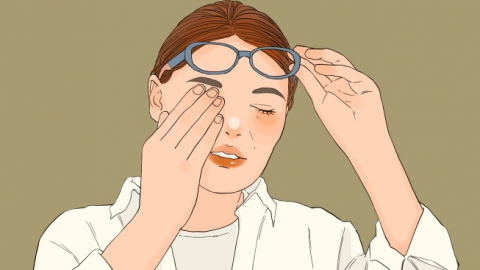
1. Ocular vascular spasm: When angry, the sympathetic nervous system becomes overactive, causing constriction and spasm of blood vessels in the eyes, leading to insufficient blood supply and blurred vision. Calm down immediately, close your eyes, sit quietly, and take deep breaths. Apply a warm towel to the eyes for 10 minutes to promote vasodilation, and avoid further intense emotional fluctuations.
2. Eye damage from excessive rubbing: In anger, one may unconsciously rub the eyes, causing friction-induced corneal epithelial injury and resulting in blurred vision. Stop rubbing the eyes immediately. Gently rinse the eyes with sterile normal saline, use sodium hyaluronate eye drops as directed by a physician to moisturize the ocular surface, and avoid secondary irritation.
3. Worsening visual fatigue: Pre-existing eye strain due to overuse can be exacerbated by anger, increasing tension in the eye muscles and worsening blurriness. Reduce the use of electronic devices; follow the 20-20-20 rule (every 20 minutes, look at something 20 feet away for 20 seconds). Use medications such as compound methylene blue and vitamin G eye drops, naphazoline-antazoline eye drops, or hydroxypropyl methylcellulose eye drops as prescribed.
4. Hypertensive retinopathy: In individuals with hypertension, sudden spikes in blood pressure during anger can damage retinal blood vessels and the retina, causing blurred vision. Monitor blood pressure immediately, take antihypertensive medications such as nifedipine sustained-release tablets, valsartan capsules, or irbesartan tablets as prescribed, and undergo regular fundus examinations.
5. Acute glaucoma attack: Anger may trigger closure of the anterior chamber angle, causing a sudden rise in intraocular pressure that compresses the optic nerve, leading to blurred vision accompanied by eye pain. Seek immediate medical care. Use antiglaucoma medications such as brinzolamide eye drops, timolol maleate eye drops, or pilocarpine eye drops as prescribed to lower intraocular pressure. Surgical intervention such as trabeculectomy may be necessary to establish aqueous drainage pathways.
In daily life, learn emotional regulation through activities like exercise or listening to music to relieve stress. Maintain a healthy diet by reducing high-salt and high-fat foods, and consume more lutein-rich foods such as spinach and corn to support eye and cardiovascular health.