What causes dry and itchy eyes, and how to relieve them
Nov 19, 2025
Source: Cainiu Health

Dr. Wang Lei
Introduction
In general, dry and itchy eyes may be caused by eye strain, environmental irritation, allergic conjunctivitis, dry eye syndrome, blepharitis, or other reasons. It is recommended to seek medical attention promptly, identify the underlying cause, and follow a doctor's guidance for appropriate relief. In daily life, consume more foods rich in vitamin A, such as carrots and spinach, as well as deep-sea fish rich in Omega-3 fatty acids, and ensure adequate sleep.
Generally, dry and itchy eyes may be caused by eye strain, environmental irritation, allergic conjunctivitis, dry eye syndrome, blepharitis, or other reasons. It is recommended to seek medical attention promptly, identify the underlying cause, and follow a doctor's guidance for appropriate relief. Detailed analysis is as follows:
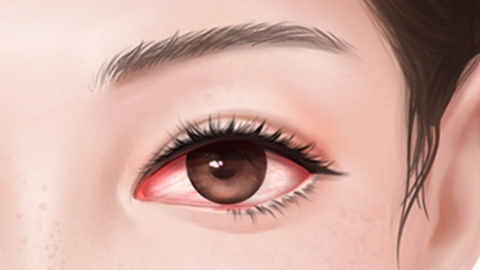
1. Eye strain: Prolonged focus on electronic screens significantly reduces blinking frequency, preventing tears from adequately moistening the ocular surface, leading to dryness and itching. Take a 5-minute break every 30 minutes of screen use to look into the distance, consciously increase blinking, and adjust screen brightness to match ambient lighting—avoiding overly bright or dim settings.
2. Environmental irritation: Long-term exposure to dusty, pollen-filled, or air-conditioned environments can irritate the ocular surface with pollutants or dry air, causing dryness and itching. Wear protective goggles when outdoors, use a humidifier indoors to maintain humidity between 40%–60%, regularly clean indoor dust, and minimize exposure to irritants.
3. Allergic conjunctivitis: After exposure to allergens such as pollen or dust mites, an immune response occurs in the conjunctiva, resulting in symptoms like dryness, itching, and tearing. Patients should use medications such as sodium cromoglycate eye drops, olopatadine hydrochloride eye drops, or ketotifen eye drops under medical supervision, avoid known allergens, and frequently change pillowcases to reduce dust mite accumulation.
4. Dry eye syndrome: Insufficient tear production or unstable tear film leaves the ocular surface unprotected, causing persistent dryness, itching, and a foreign body sensation. Treatments may include sodium hyaluronate eye drops, hypromellose eye drops, or polyethylene glycol eye drops as directed by a physician. Avoid frequent use of preserved eye drops containing preservatives.
5. Blepharitis: Bacterial infection or abnormal sebum secretion at the eyelid margins can spread inflammation to the ocular surface, causing dryness and itching, along with redness and flaking of the eyelids. Treatment requires using prescribed medications such as tobramycin-dexamethasone eye ointment, levofloxacin eye drops, or erythromycin eye ointment, combined with daily warm compresses followed by gentle lid margin cleaning.
In daily life, consume more foods rich in vitamin A—such as carrots and spinach—and omega-3-rich deep-sea fish, and ensure adequate sleep. Avoid rubbing the eyes to prevent worsening irritation or infection, choose non-irritating eye care products, and reduce the frequency of eye makeup application.