


What constitutes severe dry eye syndrome?
Nov 19, 2025
Source: Cainiu Health

Dr. Wang Lei
Introduction
Severe dry eye syndrome refers to progressively worsening symptoms such as persistent dryness and pain in the eyes. In some cases, symptoms occur frequently and are intense, with ongoing discomfort—including dryness, foreign body sensation, photophobia, and excessive tearing—during daily visual activities. Blurred vision and a burning or stinging sensation may even develop, making simple tasks like reading or viewing screens extremely difficult. These symptoms persist despite rest and significantly disrupt normal daily life.
In general, severe dry eye syndrome refers to a condition in which symptoms such as persistent dryness and pain in the eyes progressively worsen, affecting daily vision and quality of life, accompanied by damage to the ocular surface tissues. If there are concerns, it is recommended to seek medical advice promptly. Detailed explanations are as follows:
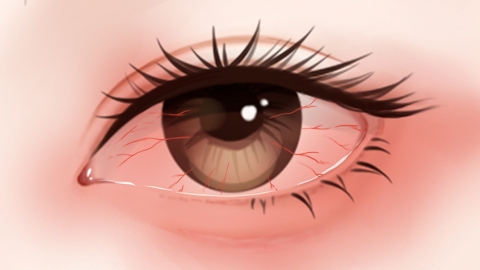
One scenario involves frequent and intense symptom flare-ups, with persistent discomfort during daily visual tasks—including dryness, foreign body sensation, light sensitivity, and excessive tearing. Vision may become blurred, and burning or severe eye pain may occur, making even simple activities like reading or viewing screens difficult to complete. Symptoms do not improve with rest and significantly disrupt normal daily routines.
Another scenario involves structural damage to the ocular surface. Prolonged and severe dry eye can lead to corneal epithelial defects and inflammation. Some patients may develop corneal ulcers. Without timely intervention, this may result in irreversible vision damage, increase the risk of eye infections, and make subsequent treatment more challenging.
When symptoms suggestive of severe dry eye appear, prompt evaluation at a professional medical facility is necessary to assess ocular surface health and tear secretion. It is important to avoid prolonged exposure to dry environments, minimize excessive eye strain, and use prescribed medications as directed by a physician. Self-medication should be avoided to prevent further worsening of symptoms.


