How to recover from myopia in children's eyes
Nov 19, 2025
Source: Cainiu Health

Dr. Zhou Xiaofeng
Introduction
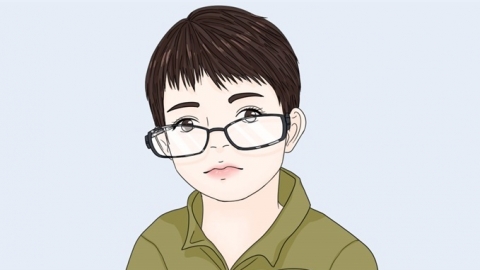
Children's myopia cannot be reversed. The key to improvement lies in controlling the progression of myopia, which can be achieved through scientifically prescribed eyeglasses, developing good eye-use habits, increasing outdoor activities, performing standardized eye exercises, and adjusting dietary patterns. These interventions help prevent myopia from progressing to high myopia. If you notice symptoms such as blurred vision or squinting in your child, it is recommended to seek timely medical evaluation and refraction testing.
Myopia in children cannot be reversed. The key to improvement lies in controlling the progression of myopia, which can be achieved through scientifically prescribed eyewear, developing good eye-use habits, increasing outdoor activities, performing standardized eye exercises, and adjusting dietary patterns to promote eye health and prevent myopia from progressing to high myopia. If a child shows symptoms such as blurred vision or squinting, it is recommended to seek timely medical evaluation and refraction testing.
1. Scientific Vision Correction with Eyewear: After a professional eye examination, wearing appropriate glasses or orthokeratology (OK) lenses can provide clear vision and slow the progression of myopia. OK lenses are suitable for children aged 8 years and older who meet specific fitting criteria and must be used strictly under medical supervision.
2. Develop Good Eye-Use Habits: Limit close-up visual tasks; follow the "20-20-20" rule—every 20 minutes of near work, look at something 6 meters away for at least 20 seconds. Maintain a reading and writing distance of 30–40 cm, and avoid reading while lying down, sitting in poor posture, or in dim lighting.
3. Increase Outdoor Activities: Ensure at least 2 hours of daily outdoor activity. Exposure to natural light helps promote healthy eye development and effectively inhibits the onset and progression of myopia, making this a key preventive strategy.
4. Perform Standardized Eye Exercises: Under professional guidance, conduct vision therapy such as accommodative sensitivity training and convergence-divergence exercises to improve eye focusing ability and reduce visual fatigue. Avoid unproven or non-scientific eye training programs.
5. Adjust Diet: Increase intake of foods rich in nutrients like vitamin A, lutein, and zinc—such as carrots, blueberries, and nuts—and reduce consumption of high-sugar and high-fat foods to support overall eye health.
In daily life, ensure children get sufficient sleep, as staying up late may impair eye recovery. Limit screen time, choose large-screen devices with low blue light emission, and maintain an appropriate viewing distance. Schedule regular eye check-ups to monitor vision changes and adjust corrective measures promptly.