How is normal-tension glaucoma treated?
Nov 19, 2025
Source: Cainiu Health

Dr. Wang Lei
Introduction
In general, the main treatment approaches for normal-tension glaucoma include medication, laser therapy, surgical intervention, lifestyle modifications, and regular monitoring. Additionally, patients must strictly adhere to their doctor's instructions regarding medication use and should not discontinue or adjust dosages without medical guidance. If symptoms such as sudden vision loss or narrowing of the visual field occur, immediate medical attention is required.
In general, the main treatment methods for normal-tension glaucoma include medication, laser therapy, surgical intervention, lifestyle modifications, and regular monitoring. A detailed analysis is as follows:
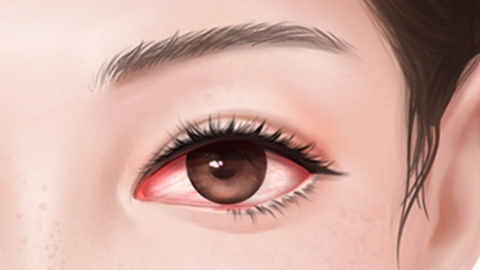
1. Medication
Medication primarily aims to lower intraocular pressure (IOP) to protect the optic nerve. Patients may use medications such as brinzolamide ophthalmic solution, timolol maleate ophthalmic solution, latanoprost ophthalmic solution, brimonidine tartrate ophthalmic solution, or travoprost ophthalmic solution under medical supervision. These drugs reduce IOP by decreasing aqueous humor production or enhancing its outflow. Even when IOP is within the "normal" range, further reduction is often necessary to slow down optic nerve damage.
2. Laser Therapy
Selective laser trabeculoplasty (SLT) is commonly used. This procedure applies laser energy to the trabecular meshwork to improve the function of the aqueous humor drainage pathway, thereby gently lowering IOP. It is minimally invasive with rapid recovery, making it suitable for patients who do not respond well to medications or cannot tolerate drug side effects. SLT can serve as an adjunctive treatment to stabilize IOP.
3. Surgical Treatment
When medication and laser therapy fail to control disease progression, surgery may be required. Common procedures include trabeculectomy and glaucoma drainage device implantation. These surgeries create new pathways for aqueous humor drainage to reduce IOP and prevent further optic nerve atrophy. Surgery is typically recommended for patients showing rapid progression of optic nerve damage or those whose IOP cannot be controlled through non-surgical means.
4. Lifestyle Modifications
Lifestyle adjustments help support optic nerve protection. Patients should avoid prolonged head-down positions and vigorous exercise, which may increase IOP. Maintaining emotional stability is important to prevent large fluctuations in blood pressure that could affect ocular blood supply. Dietary recommendations include reducing salt intake, quitting smoking, limiting alcohol consumption, maintaining regular sleep patterns, and avoiding late nights—creating a favorable environment for optic nerve health.
5. Regular Monitoring
Regular monitoring is a critical component of treatment. IOP should be measured monthly, and optic nerve structure and visual field tests should be performed every 3–6 months. Continuous follow-up allows doctors to adjust treatment plans promptly, ensuring IOP remains within a safe range and maximizing preservation of visual function, thus preventing delayed treatment due to the disease's often silent progression.
In addition, patients must strictly adhere to prescribed medication regimens and must not discontinue or alter dosages without medical advice. Immediate medical attention is necessary if symptoms such as sudden vision loss or narrowing of the visual field occur. The management of normal-tension glaucoma requires long-term commitment. Only through consistent, standardized treatment combined with regular monitoring can disease progression be effectively slowed and visual health preserved.