What to do about adult autism
Nov 20, 2025
Source: Cainiu Health

Dr. Zhang Baohua
Introduction
Adult autism should be managed through methods such as life skills enhancement, social ability training, professional rehabilitation interventions, psychological support and counseling, and symptomatic medication when necessary. Long-term, individualized management is essential to improve self-care and social adaptation abilities. If severe self-harming behaviors, aggression, or emotional dysregulation occur, prompt medical evaluation is recommended.
Adult autism should be managed through methods such as life skills training, social ability development, professional rehabilitation interventions, psychological support and counseling, and symptomatic medication when necessary. Long-term, individualized management is essential to improve self-care abilities and social adaptation. If severe self-harming behaviors, aggression, or emotional dysregulation occur, timely medical evaluation is recommended.
1. Life Skills Training: Focus on practical skills including personal hygiene, meal preparation, cooking, and financial management. Establishing consistent routines helps build habits and gradually enhances the individual's ability to independently manage daily tasks, reducing reliance on others.
2. Social Skills Training: Under professional guidance, learn interpersonal communication techniques and emotional expression strategies. Repeated practice in simulated social scenarios can improve understanding of social cues and address difficulties in communication.
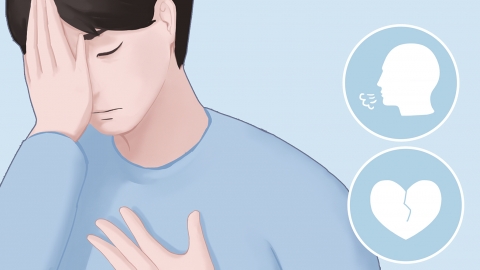
3. Professional Rehabilitation Intervention: Receive targeted services such as speech therapy and vocational rehabilitation. A multidisciplinary rehabilitation team develops personalized plans to enhance workplace adaptability and improve daily behavioral functioning.
4. Psychological Support and Counseling: Alleviate co-occurring anxiety, depression, and other emotional challenges through psychological counseling. Techniques such as relaxation training and engaging in alternative interests help regulate emotions, promote self-acceptance, and reduce psychological stress.
5. Symptomatic Medication Support: For symptoms such as impulsivity, sleep disturbances, or mood instability, medications may be prescribed under medical supervision to relieve discomfort. Dosage adjustments must not be made independently, and regular monitoring of physical responses is required.
Maintain a stable daily environment and minimize frequent changes. Family members should provide patient companionship and positive encouragement, gradually guiding participation in social activities and employment. Respecting individual differences helps establish a consistent daily routine and build self-confidence.