What are the symptoms of autism in adults?
Sep 13, 2022
Source: Cainiu Health

Dr. Zhu Gang
Introduction
Symptoms of autism in adults primarily include a solitary personality, unwillingness to communicate with others, reluctance to go out, inability to establish good interpersonal relationships, and difficulty expressing inner desires—especially in terms of verbal expression and social interaction. Communication skills are impaired. At the same time, they may be unable to form close friendships or have any friends. It is also possible that their relationships with parents and family members are distant or cold.
Autism is not only common in children; with the accelerating pace of modern life, some adults may also develop autism. What are the manifestations of autism in adults?
What Are the Manifestations of Autism in Adults?
Symptoms of adult autism primarily include a solitary personality, unwillingness to communicate with others, avoidance of going out, difficulty forming healthy interpersonal relationships, and inability to express inner desires—especially in terms of verbal expression and social interaction. Communication skills are significantly impaired. Additionally, individuals often struggle to form meaningful friendships and may have no friends at all. They might also show emotional detachment from parents and family members, being unable to express love or affection toward their parents.

In severe cases, individuals may become housebound, refusing to leave home for extended periods, and are unable to form romantic relationships or establish families. If severe adult autism is present, proactive intervention is essential. It is particularly important to first rule out other psychiatric conditions such as depression or schizophrenia.
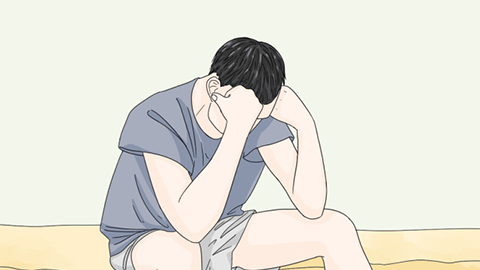
Treatment for adult autism includes both pharmacological and non-pharmacological approaches. The main strategy involves ongoing rehabilitation training and education for adults, aiming to maximize improvement in outcomes. For patients exhibiting neuropsychiatric symptoms that threaten others or interfere with daily functioning, symptomatic medication may be prescribed. For example, aripiprazole can help alleviate hallucinations, delusions, and other psychiatric symptoms, while also reducing self-injurious behaviors, aggression, and suicidal tendencies in autistic individuals. We hope this information has been helpful. Wishing you good health and happiness in life.