How to treat severe insomnia associated with depression and anxiety
Nov 20, 2025
Source: Cainiu Health

Dr. Zhang Baohua
Introduction
In general, severe insomnia caused by depression and anxiety may result from factors such as neurotransmitter imbalances, persistent sympathetic nervous system activation, adjustment disorders with insomnia, anxiety disorder comorbid with insomnia, or depression accompanied by severe insomnia. It is recommended to seek medical attention promptly, identify the underlying cause, and then improve symptoms through general management, medication, and other treatments under a doctor's guidance.
In general, severe insomnia caused by depression and anxiety may result from imbalances in neurotransmitters, persistent sympathetic nervous system activation, insomnia associated with adjustment disorders, anxiety disorder comorbid with insomnia, or major depressive disorder with severe insomnia. It is recommended to seek medical attention promptly, identify the underlying cause, and follow a doctor's guidance for improvement through non-pharmacological interventions, medications, and other treatments. Specific causes are analyzed as follows:
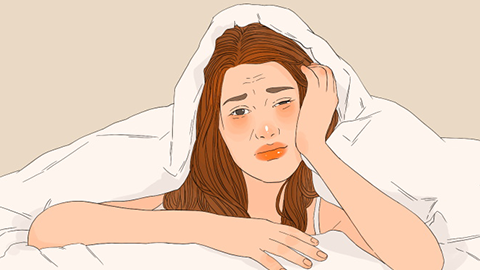
1. Neurotransmitter imbalance: Disrupted secretion of serotonin and melatonin leads to failure of sleep regulation mechanisms, manifesting as difficulty falling asleep and frequent awakenings. Consume tryptophan-rich foods such as bananas and oats daily, drink warm milk one hour before bedtime, and combine with 10 minutes of foot massage to promote neurotransmitter balance.
2. Persistent sympathetic nervous system activation: Anxiety keeps the sympathetic nervous system chronically active, making it difficult for the brain to enter a relaxed state. Practice 15 minutes of diaphragmatic breathing each night—inhale for 4 seconds, hold for 2 seconds, exhale for 6 seconds. Keep the bedroom dark and quiet using blackout curtains and a white noise machine to create an optimal sleep environment.
3. Insomnia associated with adjustment disorder: Emotional distress following life events disrupts normal sleep rhythms. Patients should take medications such as lorazepam tablets, alprazolam tablets, or estazolam tablets under medical supervision, while also receiving supportive psychotherapy to address emotional difficulties.
4. Anxiety disorder comorbid with insomnia: Excessive worry leads to mental hyperactivity before sleep and frequent awakening due to nightmares. Under medical guidance, use selective serotonin reuptake inhibitors (SSRIs) such as sertraline tablets, paroxetine tablets, or fluvoxamine tablets, combined with cognitive behavioral therapy (CBT) to correct negative thought patterns related to fear of insomnia.
5. Major depressive disorder with severe insomnia: Low mood combined with sleep disturbances manifests as early morning awakening and inability to fall back asleep, creating a vicious cycle. Follow medical advice to use medications such as fluoxetine hydrochloride capsules, venlafaxine extended-release tablets, or mirtazapine tablets. Maintain a fixed wake-up time every day and avoid prolonged daytime napping.
Avoid consuming coffee or strong tea within 4 hours of bedtime; keep dinner light and avoid overeating. Stay away from electronic devices one hour before sleep—reading a physical book can help relaxation. Engage in moderate exercises such as jogging or yoga. Through regular sleep schedules and effective emotional management, gradually improve sleep quality.