


What does it mean when you sometimes feel like crying?
Nov 20, 2025
Source: Cainiu Health

Dr. Zhang Baohua
Introduction
Crying spells may sometimes be caused by hormonal fluctuations, neurotransmitter imbalances, adjustment disorders, anxiety with low mood, depression, or other reasons. It is recommended to seek medical attention promptly, identify the underlying cause, and then improve symptoms through general management, medication, and other approaches under a doctor's guidance. In daily life, avoid excessive consumption of coffee and alcohol, and include vitamin-rich foods such as spinach and pumpkin in your diet.
Generally, the urge to cry may be caused by hormonal fluctuations, neurotransmitter imbalances, adjustment disorders, anxiety with low mood, depression, and other factors. It is recommended to seek medical attention promptly, identify the underlying cause, and follow a doctor's guidance for improvement through general management, medication, or other treatments. Specific analyses are as follows:
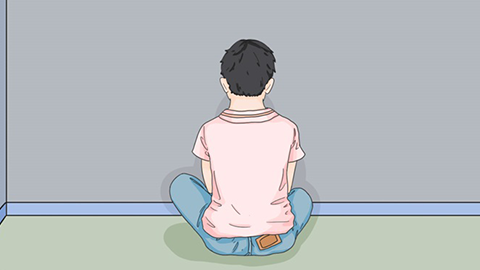
1. Hormonal fluctuations: Sudden changes in estrogen levels during a woman’s menstrual period, pregnancy, or menopause, as well as fluctuations in testosterone levels in men, can affect emotional regulation and easily trigger the urge to cry. Women can drink ginger brown sugar tea during menstruation to relieve discomfort; those who are pregnant or going through menopause should maintain regular sleep patterns; men can stabilize hormone levels through exercise. When overwhelmed emotionally, taking a brief period of solitude may help regain composure.
2. Neurotransmitter imbalance: Prolonged stress can lead to insufficient secretion of serotonin and dopamine, lowering emotional thresholds and making one prone to crying in response to minor stimuli. Eating a handful of blueberries or bananas daily helps provide essential nutrients, while 15 minutes of jogging each day promotes neurotransmitter synthesis. Listening to cheerful music during episodes of low mood can also help shift focus.
3. Adjustment disorder: Experiencing life events such as job loss or breakup may lead to delayed psychological adaptation, resulting in frequent urges to cry. Patients should take medications such as lorazepam tablets, alprazolam tablets, or estazolam tablets under medical supervision, and consult a psychologist to learn effective emotional coping strategies.
4. Anxiety disorder with low mood: Chronic anxiety combined with internalized emotional suppression makes individuals prone to emotional breakdowns; crying serves as an emotional release and is often accompanied by palpitations and insomnia. Medications such as sertraline tablets, paroxetine tablets, or fluvoxamine tablets should be used under a doctor’s guidance, along with deep-breathing exercises to alleviate anxiety.
5. Depression: Characterized primarily by persistent low mood, the urge to cry is intense and long-lasting, often accompanied by loss of interest, self-blame, and feelings of guilt. Treatment involves medications such as fluoxetine hydrochloride capsules, venlafaxine extended-release tablets, or mirtazapine tablets as prescribed. Family members should offer companionship and attentive listening, and encourage participation in social activities.
In daily life, avoid excessive consumption of coffee and alcohol. Include vitamin-rich foods such as spinach and pumpkin in your diet. Proactively share feelings with family and friends to prevent emotional buildup. Cultivating hobbies such as calligraphy or gardening can enrich life and gradually enhance emotional stability.





