


What should a woman in her forties do if she feels anxious and irritable?
Nov 20, 2025
Source: Cainiu Health

Dr. Zhang Lu
Introduction
Women in their forties who experience anxiety and irritability can generally improve their condition through regular exercise to release emotions, adjusting sleep schedules to stabilize their condition, and cultivating hobbies to divert attention. Scheduling fixed times each week for physical activities such as brisk walking, yoga, or swimming can help, as these activities stimulate the body's release of endorphins, which alleviate anxiety and promote blood circulation, leading to a more relaxed state.
Women in their forties who experience anxiety and irritability can generally improve their condition through regular exercise to release emotions, adjusting sleep schedules to stabilize mood, cultivating hobbies to divert attention, actively engaging in social activities to gain support, and practicing moderate relaxation techniques to relieve stress. The specific analysis is as follows:
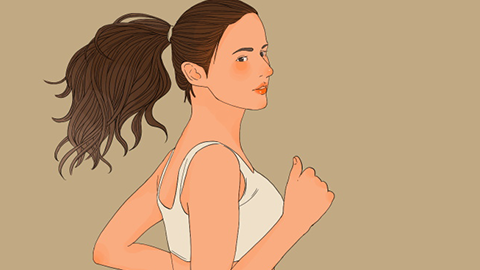
1. Regular exercise to release emotions: Schedule fixed times each week for physical activities such as brisk walking, yoga, or swimming. During exercise, the body releases endorphins, which help alleviate anxiety and improve circulation, reducing physical discomfort caused by stress and promoting a more relaxed state.
2. Adjusting作息 to stabilize mental state: Maintain a consistent daily routine, avoid staying up late or overworking, and ensure sufficient sleep every night to allow the body and brain adequate rest. A regular schedule helps stabilize the endocrine system, reduces emotional fluctuations caused by hormonal changes, and alleviates feelings of irritability.
3. Cultivating hobbies to divert attention: Choose enjoyable activities as hobbies—such as painting, reading, or gardening. Immersing oneself in these pursuits shifts focus away from sources of anxiety, encourages mindfulness in the present moment, provides a sense of accomplishment, gradually reduces irritability, and enriches one’s inner life.
4. Active socializing to gain support: Communicate frequently with family and friends, sharing inner feelings and concerns. Participating in community events can also help connect with like-minded individuals. Understanding and support from others can reduce loneliness, promote rational thinking about problems, and lessen the psychological burden caused by anxiety.
5. Moderate relaxation to relieve stress: Set aside dedicated time each day for relaxation, trying techniques such as deep breathing, meditation, or listening to soothing music to calm the mind and body. These methods reduce sympathetic nervous system activation and help ease symptoms such as rapid heartbeat and tension caused by anxiety.
During the adjustment process, it's important to accept emotional changes without suppressing or denying them. If anxiety and irritability persist and begin to affect daily life and work, it is advisable to seek help from a professional psychologist. Scientific approaches can then be used to manage emotions effectively and maintain mental well-being.







