What does it mean when I feel like I won't live much longer?
Nov 20, 2025
Source: Cainiu Health

Dr. Zhang Baohua
Introduction
Feeling that one cannot live much longer may be caused by chronic sleep deprivation, anxiety disorder, depression, somatoform disorder, or other reasons. Long-term staying up late and poor sleep quality lead to fatigue of the brain's nervous system, reducing emotional regulation capacity and making individuals prone to negative thoughts. Adjusting daily routines, ensuring 7–8 hours of sleep per night, avoiding electronic screens before bedtime, and improving sleep through foot soaking or listening to soothing music can help.
Generally, the feeling of not being able to live much longer may be caused by factors such as chronic sleep deprivation, excessive mental stress, anxiety disorders, depression, or somatic symptom disorders. If discomfort occurs, it is recommended to seek timely medical evaluation and treatment at a reputable hospital. Specific analysis is as follows:
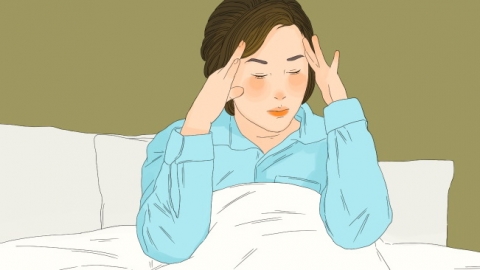
1. Chronic sleep deprivation: Long-term staying up late and poor sleep quality can lead to fatigue in the brain's nervous system, reducing emotional regulation capacity and increasing susceptibility to negative thoughts. Adjust daily routines to ensure 7–8 hours of sleep per night, avoid electronic screens before bedtime, and improve sleep through foot baths or listening to soothing music.
2. Excessive mental stress: Prolonged high pressure, constant mental tension, and heavy psychological burdens may trigger anxiety about life. Stress can be relieved through physical exercise, meditation, and talking with others. Proper planning of tasks and seeking psychological counseling when necessary are also recommended.
3. Anxiety disorder: Persistent anxiety may develop into a clinical condition, accompanied by unexplained fear, palpitations, and insomnia. Medications such as buspirone tablets, tandospirone capsules, or lorazepam tablets may be taken under medical guidance, along with cognitive behavioral therapy.
4. Depression: Characterized by low mood, feelings of helplessness and hopelessness, even self-harming thoughts, as well as reduced interest and low energy. Treatment typically involves antidepressants such as sertraline tablets, fluoxetine capsules, or mirtazapine tablets, prescribed by a doctor, combined with psychotherapy.
5. Somatic symptom disorder: Patients experience subjective physical discomfort without underlying organic disease, often accompanied by dizziness and fatigue. Doctors may recommend medications such as fluvoxamine tablets, venlafaxine hydrochloride sustained-release tablets, or alprazolam tablets, along with psychological counseling.
In daily life, maintain regular作息 (sleep-wake cycles), balanced nutrition, and moderate physical activity; communicate frequently with family and friends to avoid bearing negative emotions alone; if negative thoughts persist or are accompanied by physical symptoms, seek medical help promptly.