


What are the symptoms of spleen deficiency and yang deficiency?
Aug 08, 2025
Source: Cainiu Health

Dr. Sun Lianqing
Introduction
The stomach often feels cold with a dull ache, which tends to improve in warm environments or after applying heat. Pain intensifies significantly after consuming raw or cold foods, typically manifesting as a mild, lingering discomfort. After eating, there is a pronounced feeling of abdominal fullness, especially following consumption of cold or greasy foods, with bloating becoming more severe and prolonged. This sensation may even occur after eating only small amounts.
Generally, individuals with spleen deficiency and yang deficiency commonly experience symptoms such as cold pain in the stomach, increased abdominal distension after eating, loose stools, aversion to cold, cold intolerance, and limb fatigue. If you have concerns, it is recommended to seek medical advice in advance. Detailed explanations are as follows:
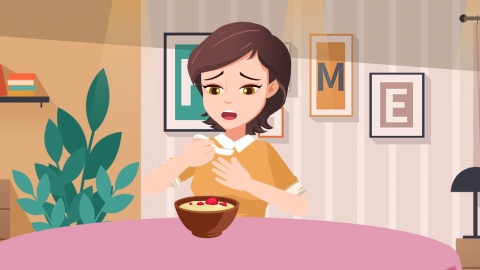
1. Cold pain in the stomach: There is often a feeling of coldness and mild pain in the stomach. Pain may ease in warm conditions or after applying heat, while consuming cold foods significantly worsens the pain. The pain is typically dull or persistent.
2. Increased abdominal distension after eating: A significant feeling of fullness occurs after meals, especially following consumption of cold or greasy foods. Abdominal bloating becomes more severe and lasts longer, even occurring after eating small amounts of food.
3. Loose stools: Stools are thin, unformed, or watery, often containing undigested food. Bowel movements frequently occur early in the morning, or bowel frequency increases after exposure to cold or consumption of cold foods.
4. Aversion to cold and cold intolerance: Individuals feel cold easily, with consistently cold hands and feet. This condition is difficult to improve even in warm environments. More clothing is needed than usual, and there is a particular sensitivity to cold water or cold environments.
5. Limb fatigue: The body tires easily, with weak limbs and a heavy feeling during physical activity. There is reluctance to move, poor mental condition, and even slight activity can cause exhaustion, which is difficult to fully recover from even after rest.
In daily life, consumption of raw and cold foods should be avoided. Keep the abdomen warm and consume warming foods such as ginger and lamb appropriately. Maintain regular作息 (作息 should be translated as "作息" here since it refers to lifestyle habits related to rest and activity) and avoid excessive fatigue.







