


What should I do about irritability, mood swings, and anxiety?
Nov 20, 2025
Source: Cainiu Health

Dr. Zhang Baohua
Introduction
Irritability, mood swings, and anxiety may be caused by factors such as sleep deprivation, hormonal fluctuations, neurasthenia, anxiety disorders, or hyperthyroidism. It is recommended to seek medical attention promptly, identify the underlying cause, and then improve symptoms through general management, medication, or other treatments under a doctor's guidance. Maintain a light diet in daily life, avoid excessive intake of spicy and stimulating foods, and reduce consumption of beverages such as coffee and strong tea.
Generally, irritability, short temper, and anxiety may be caused by factors such as sleep deprivation, hormonal fluctuations, neurasthenia, anxiety disorders, or hyperthyroidism. It is recommended to seek medical attention promptly, identify the underlying cause, and then improve symptoms under a doctor's guidance through general treatments, medications, and other methods. A detailed analysis is as follows:
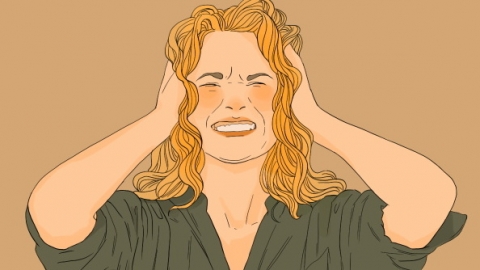
1. Sleep Deprivation: Long-term staying up late or poor sleep quality keeps the brain's nerves in a constant state of tension, reducing emotional regulation capacity and leading to irritability and anxiety. Maintain a consistent daily schedule, turn off electronic devices one hour before bedtime, soak feet in warm water for 10 minutes, and drink warm milk to promote sleep. Aim for 7–8 hours of sleep each night.
2. Hormonal Fluctuations: During menstruation, pregnancy, or menopause, imbalances in estrogen and progesterone levels in women can trigger significant mood swings. Increase intake of foods rich in phytoestrogens such as soy products and nuts. Engage in mild physical activities like yoga or walking, and seek understanding and companionship from family members.
3. Neurasthenia: Prolonged mental stress or overexertion can make the nervous system overly excitable and fragile, resulting in emotional instability and anxiety. Follow medical advice when using medications such as oryzanol tablets, vitamin B1 tablets, or Anshen Bunao Liquid. Take a 5-minute break to move around every hour during work and avoid prolonged sitting.
4. Anxiety Disorder: Related to genetic and psychological trauma factors, patients remain in a persistent state of tension and anxiety, becoming easily agitated over minor issues, often accompanied by palpitations and sweating. Use medications such as sertraline hydrochloride tablets, paroxetine tablets, or lorazepam tablets as prescribed, along with cognitive behavioral therapy to adjust mindset.
5. Hyperthyroidism: Excessive secretion of thyroid hormones accelerates metabolism and stimulates the sympathetic nervous system, causing symptoms such as irritability, anger, and anxiety. Follow medical instructions to use medications such as methimazole tablets, propylthiouracil tablets, or propranolol tablets to reduce hormone secretion.
Maintain a light diet in daily life, avoid excessive consumption of spicy or stimulating foods, and limit beverages such as coffee and strong tea. In free time, cultivate hobbies such as painting or listening to music to divert attention. Communicate frequently with family and friends, share feelings, relieve inner stress, and gradually improve emotional well-being.



