


What causes unexplained feelings of chest tightness, discomfort, and irritability, and what should I do about it?
Nov 20, 2025
Source: Cainiu Health

Dr. Zhang Baohua
Introduction
In general, unexplained feelings of emotional distress, irritability, and restlessness may be caused by neurotransmitter imbalances, autonomic nervous system dysfunction, adjustment disorders, anxiety states, bipolar disorder, or other conditions. It is recommended to seek medical attention promptly, identify the underlying cause, and follow a doctor's guidance for improvement through general management, medication, and other treatments. Avoid excessive consumption of coffee and strong tea in daily life, and maintain a diet rich in fresh vegetables and fruits.
Generally, unexplained feelings of emotional stuffiness, discomfort, and irritability may be caused by factors such as neurotransmitter imbalances, autonomic nervous system dysfunction, adjustment disorders, anxiety states, or bipolar disorder. It is recommended to seek medical attention promptly, identify the underlying cause, and then improve symptoms under a doctor's guidance through non-pharmacological interventions, medications, and other treatments. Specific analyses are as follows:
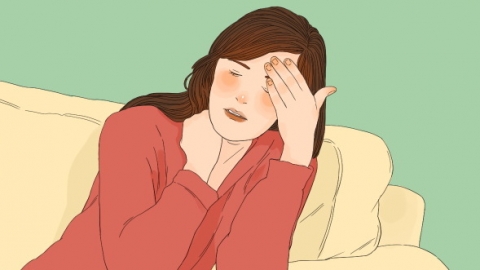
1. Neurotransmitter Imbalance: Prolonged stress can disrupt the secretion of serotonin and dopamine, impairing emotional regulation and leading to emotional congestion and irritability. Eating bananas and almonds daily helps supplement tryptophan; engaging in 20 minutes of jogging regularly promotes neurotransmitter synthesis; practicing deep breathing and focusing on breath rhythm during episodes of irritability can also help.
2. Autonomic Nervous System Dysfunction: Emotional fluctuations can stimulate the autonomic nervous system, causing physical discomfort such as chest tightness and palpitations, which further exacerbate psychological irritability. Immediately move to a well-ventilated area and sit quietly, gently pressing your hands against your chest while performing slow, deep breathing. Avoid staying up late; soak your feet in warm water for 10 minutes before bedtime daily to stabilize nerve function.
3. Adjustment Disorder: Major life changes such as changing jobs or moving homes can overwhelm psychological adaptation capacity, triggering irritability and emotional blockage. Patients should follow medical advice to use medications such as lorazepam tablets, alprazolam tablets, or estazolam tablets, while also consulting with a psychologist to process and regulate emotions.
4. Anxiety State: Excessive worry without clear triggers, accompanied by emotional stuffiness, restlessness, and difficulty concentrating. Under medical supervision, medications such as sertraline tablets, paroxetine tablets, or fluvoxamine tablets may be used, combined with cognitive behavioral therapy to correct negative thought patterns.
5. Bipolar Disorder: Episodes of irritability alternate with depressive phases, characterized by intense and recurrent feelings of emotional congestion. Medications such as lithium carbonate sustained-release tablets, sodium valproate sustained-release tablets, or lamotrigine tablets should be taken as prescribed. Family members should provide companionship and closely monitor mood changes.
In daily life, avoid excessive consumption of coffee and strong tea, and maintain a diet rich in fresh fruits and vegetables. Actively share feelings with family and friends to prevent emotional buildup. Cultivating hobbies such as calligraphy or gardening can help divert attention and improve overall mental and physical well-being through comprehensive lifestyle adjustments.








