


What to do about limited brain volume in autism
Nov 20, 2025
Source: Cainiu Health

Dr. Zhou Xiaofeng
Introduction
To enhance cognitive and functional abilities in individuals with autism, approaches generally include professional rehabilitation training to strengthen skills, designing structured learning environments, using assistive tools to simplify tasks, and fostering interests to motivate engagement. Seeking services from specialized institutions for targeted interventions—such as language and communication training, social skills development, and attention enhancement—can systematically improve cognitive processing and social adaptation capabilities.
For improving cognition and functioning in individuals with autism, approaches generally include professional rehabilitation training to strengthen abilities, designing structured learning environments, using assistive tools to simplify tasks, cultivating interests to motivate engagement, and providing family support to create a supportive atmosphere. A detailed analysis is as follows:
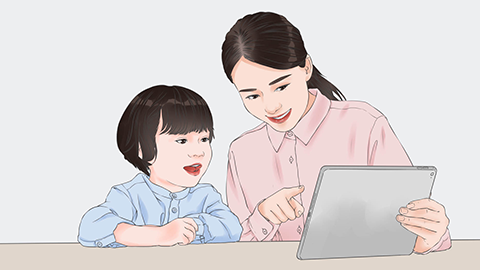
1. Professional Rehabilitation Training to Strengthen Abilities: Seek targeted interventions from specialized institutions, such as language and communication training, social skills development, and attention exercises. Systematic interventions can enhance cognitive processing and social adaptation, helping individuals manage daily life situations more effectively.
2. Designing Structured Learning Environments: Establish predictable routines for daily living and learning, develop consistent schedules, and use visual aids such as pictures and written cards to clearly outline task steps. This reduces distractions from chaotic information and improves information processing efficiency.
3. Using Assistive Tools to Simplify Tasks: Select appropriate assistive tools based on individual needs—for example, timers for time management, sorting bins for organizing items, or communication books to support expression. These tools reduce task complexity, increase success rates, and boost confidence.
4. Cultivating Interests to Motivate Engagement: Begin with the individual’s areas of interest and integrate learning goals into enjoyable activities—such as using animated videos to teach language or building blocks to develop spatial cognition. Leveraging interests encourages active exploration and broadens skill development.
5. Family Support to Create a Supportive Atmosphere: Family members should learn about autism and understand the individual’s unique way of processing information. Avoid placing excessive demands, provide encouragement and assistance, and foster a safe, inclusive environment that supports growth through relaxation and emotional security.
Improvement efforts must respect individual differences and avoid applying uniform standards. When developing intervention plans, it is recommended to involve rehabilitation specialists and medical professionals in joint assessments, adjusting strategies as needed to ensure scientific rigor and promote optimal development and social adaptation.




