


Is there a relationship between depression and hair loss?
Nov 20, 2025
Source: Cainiu Health

Dr. Zhang Baohua
Introduction
Whether depression is related to hair loss depends on the severity of the condition and accompanying factors. In mild depression with regular lifestyle habits, there is usually no direct association with hair loss; however, in severe depression or when accompanied by unhealthy lifestyle behaviors, hair loss may be triggered or worsened. It is important to actively regulate emotions in daily life, relieve stress through methods such as meditation and jogging, maintain a regular sleep schedule, and avoid staying up late.
Whether depression is related to hair loss depends on the severity of the condition and accompanying factors. In mild depression with regular lifestyle habits, there is usually no direct association with hair loss; however, in severe depression or when accompanied by unhealthy lifestyle behaviors, hair loss may be triggered or worsened.
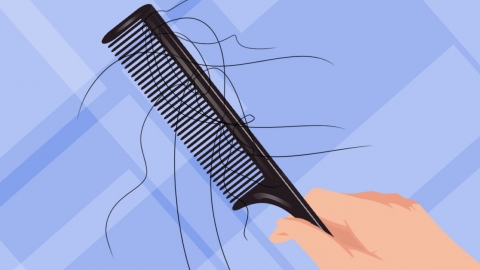
If depressive symptoms are mild—such as occasional low mood that does not affect sleep, diet, or endocrine function—and the hair follicle growth cycle remains normal, hair loss generally does not occur. In such cases, emotional regulation through self-care and support from family and friends is usually sufficient, and there is no need for excessive concern about hair loss.
When depression is more severe, prolonged anxiety and insomnia can disrupt the endocrine system, leading to hormonal imbalances. Some patients may also experience reduced appetite and inadequate nutrient intake, or engage in hair-pulling behaviors due to emotional distress. These factors can all contribute to hair follicle atrophy and result in hair loss.
In daily life, it's important to actively regulate emotions and relieve stress through methods such as meditation or jogging. Maintain a regular sleep schedule, avoid staying up late, and consume adequate protein and vitamin-rich foods. Additionally, practice proper scalp care by minimizing frequent chemical treatments like perming or dyeing to reduce irritation to hair follicles.


