


Can depression develop into psychosis?
Nov 20, 2025
Source: Cainiu Health

Dr. Zhang Baohua
Introduction
Depression does not progress into psychosis, as the two are distinct types of mental disorders. However, some cases of severe depression may be accompanied by psychotic symptoms. Early intervention is essential for individuals with depression to prevent the condition from becoming chronic. In daily life, patients should actively seek support from family and friends, maintain regular sleep patterns and engage in moderate exercise, and cultivate hobbies to divert attention from negative emotions, thereby creating favorable conditions for recovery.
Generally, depression does not progress into psychosis, as the two are distinct types of mental disorders. However, some cases of severe depression may be accompanied by psychotic symptoms. The details are as follows:
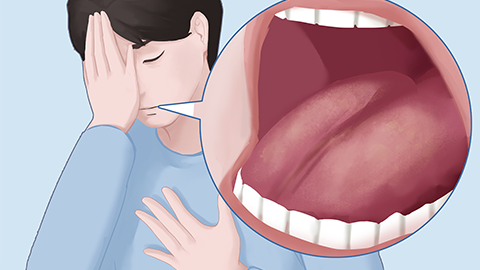
Depression is characterized primarily by persistent low mood, loss of interest, and lack of energy, and belongs to the category of mood disorders. Psychosis, on the other hand, is mainly defined by hallucinations, delusions, and disorganized thinking, with severely impaired cognitive function. With proper treatment, depressive symptoms can be effectively alleviated, and most individuals do not develop psychotic features. Through medications, psychotherapy, and other interventions, patients can gradually regain their social functioning.
In a minority of patients with severe depression or those who do not receive timely treatment, psychotic symptoms such as hallucinations or delusions may emerge—such as delusions of guilt or worthlessness. This situation does not indicate that depression has transformed into psychosis, but rather represents a severe form of depressive illness. Treatment should include antidepressant therapy combined with targeted interventions to alleviate these symptoms.
Early intervention is crucial for individuals with depression to prevent chronic progression. In daily life, patients should actively seek support from family and friends, maintain regular sleep patterns and engage in moderate physical activity, and cultivate hobbies to divert attention from negative emotions, thereby creating favorable conditions for recovery.


