


Does schizophrenia require lifelong medication?
Nov 21, 2025
Source: Cainiu Health

Dr. Zhang Baohua
Introduction
In general, whether lifelong medication is needed for schizophrenia depends on the individual's condition. Patients experiencing a first episode and recovering well may not require lifelong treatment, whereas those with recurrent episodes or severe symptoms usually need long-term maintenance therapy. Medication regimens must strictly follow medical advice; patients should not adjust dosages or discontinue medication on their own. Family members should supervise medication adherence and provide a supportive living environment.
In general, whether lifelong medication is needed for schizophrenia depends on the individual's condition. Patients experiencing a first episode with good recovery may not require lifelong treatment, whereas those with recurrent episodes or severe symptoms usually need long-term maintenance therapy. The detailed analysis is as follows:
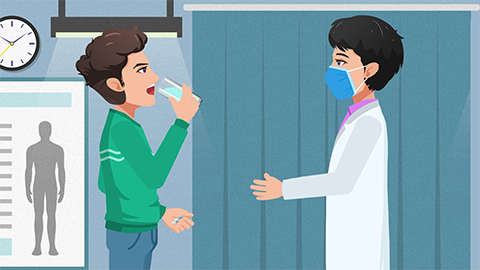
If it is the first episode, and symptoms are mild and have completely resolved after standardized treatment, patients may gradually attempt to reduce and eventually discontinue medication after completing an adequate course of consolidation therapy under medical supervision. After stopping medication, close monitoring of mental status is necessary, along with maintaining regular sleep patterns and healthy social interactions. If no relapse occurs over a prolonged period, lifelong medication may not be required.
For patients with recurrent episodes, those who experienced severe symptoms during the first episode (especially with aggressive tendencies), or those who relapsed shortly after discontinuing medication, lifelong medication is typically necessary. Prematurely stopping medication can easily lead to symptom worsening. Long-term maintenance therapy helps stabilize the condition, reduces the risk of relapse, and preserves the patient’s ability to function normally.
Medication regimens must strictly follow medical advice; patients should never adjust dosages or discontinue treatment on their own. Family members should supervise medication adherence, provide a supportive living environment, and encourage participation in rehabilitation programs. Combining medication with comprehensive daily care helps achieve long-term stability of the illness.


