What are the harms of severe depression?
Nov 21, 2025
Source: Cainiu Health

Dr. Zhang Baohua
Introduction
Severe depression, as a serious mental and psychological disorder, may lead to various harms including emotional and cognitive impairments, sleep disturbances, abnormal eating patterns and weight changes, impaired social functioning, and adverse effects on physical health. In the face of these risks, it is important to proactively seek professional psychological intervention and necessary medical help. Understanding and support from family members and society can also provide strong assistance for recovery.
Severe depression, as a serious mental and psychological disorder, may lead to various harms including emotional and cognitive impairments, sleep disturbances, abnormal eating and weight changes, impaired social functioning, and physical health complications. A detailed analysis is as follows:
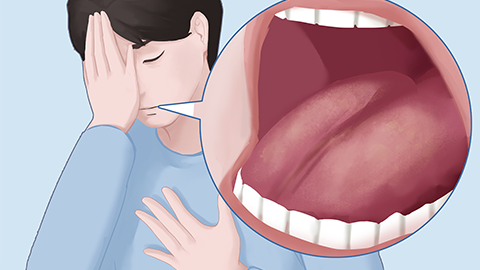
1. Emotional and Cognitive Impairments: Patients often experience persistent low mood, completely lose interest in activities they once enjoyed, and are overwhelmed by feelings of despair and helplessness. Cognitive functions decline, manifesting as slowed thinking, difficulty concentrating, and negative self-evaluation.
2. Sleep Disturbances: Sleep problems are extremely common among individuals with severe depression, primarily presenting as difficulty falling asleep, light or fragmented sleep, or early morning awakening with inability to fall back asleep. Chronic sleep deprivation further exacerbates depressive symptoms, creating a vicious cycle that leads to increasingly poor mental and physical condition.
3. Abnormal Eating and Weight Changes: Patients' eating patterns may undergo extreme changes. Some may engage in binge eating to cope with emotions, leading to rapid weight gain within a short period. Others may suffer from complete loss of appetite and significantly reduced food intake, resulting in weight loss and malnutrition.
4. Impaired Social Functioning: Patients often actively avoid social activities and refuse communication with family and friends, gradually distancing themselves from interpersonal relationships. They develop strong resistance toward social situations, struggle to participate normally in work or study, and in severe cases, may even be unable to manage basic daily tasks such as shopping or traveling, leading to progressive deterioration of social functioning.
5. Physical Health Complications: Long-term severe depression can trigger various physical discomforts, including chronic headaches, chest tightness, palpitations, and gastrointestinal disturbances. These symptoms lack clear organic pathology but recur frequently. Additionally, they may contribute to weakened immune function, increasing the risk of developing other physical illnesses.
In view of these adverse effects, it is crucial to proactively seek professional psychological intervention and necessary medical treatment. Understanding and support from family and society also play a vital role in facilitating recovery.