


What is depression?
Nov 21, 2025
Source: Cainiu Health

Dr. Zhang Baohua
Introduction
Depression is a common mental disorder characterized primarily by persistent low mood. It affects thinking, behavior, and physical condition, and is not simply a matter of feeling sad. With scientific intervention, symptoms can be effectively alleviated. Understanding and companionship from family and friends are also important; patients should be encouraged to express their feelings rather than having their emotions dismissed. Patients can also redirect their attention through regular exercise and developing personal interests and hobbies.
Depression is a common mental disorder characterized primarily by persistent low mood. It affects thinking, behavior, and physical condition, and is not simply a matter of feeling sad. With scientific intervention, symptoms can be effectively alleviated. A detailed analysis is as follows:
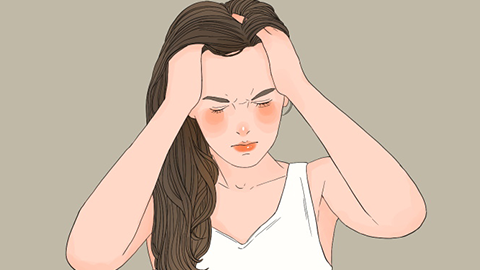
Individuals with depression often experience pronounced and prolonged low mood, lose interest in activities they once enjoyed, and may even withdraw from social interactions. Cognitively, they may suffer from slowed thinking, difficulty concentrating, and reduced memory, along with negative thought patterns such as self-blame and guilt, which in severe cases can lead to feelings of hopelessness. Physically, symptoms may include sleep disturbances—such as difficulty falling asleep or excessive sleeping—as well as changes in appetite (decreased or increased), fatigue, and other manifestations. When these symptoms persist for more than two weeks and interfere with daily functioning, they should be taken seriously.
In daily life, understanding and companionship from family and friends are also important. Encourage patients to express their feelings rather than dismissing their emotions. Patients can engage in regular physical activity and cultivate hobbies to redirect attention, maintain a consistent sleep schedule and balanced diet—providing a solid physiological foundation for emotional regulation and helping them overcome psychological distress.


